Covert detection of illegal vessel activities presents a persistent operational challenge for maritime law enforcement. From smuggling and human trafficking to unauthorized fishing, these activities often unfold under the cover of darkness, adverse weather, or behind reflective glass surfaces such as wheelhouse windows and cabin portholes. Traditional optical surveillance tools—binoculars, spotter scopes, or conventional CCTV—struggle to deliver reliable imagery in these conditions. Glare from glass, backscatter from fog or rain, and the telltale reflection of a searchlight can betray an observer’s position, compromising the element of surprise. Even when a vessel is visually acquired, the inability to see inside the superstructure forces officers to rely on indirect cues, leaving critical evidence or threats hidden from view. The pain point is clear: how can authorities conduct long-range, undetected observation that penetrates glass barriers and cuts through atmospheric interference without revealing their own presence?
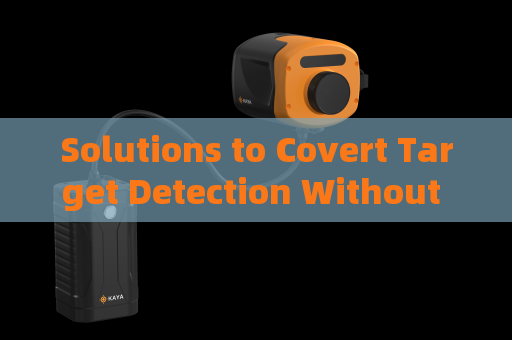
The penetrating imager resolves this pain point through its core design as an active optical system employing laser range-gated imaging technology. Unlike passive night vision or thermal imagers, the penetrating imager emits short, high-frequency laser pulses synchronized with an intensified gated camera. This camera, built around a microchannel plate (MCP) image intensifier, high-voltage module, and timing circuitry, opens its shutter only when the reflected laser light returns from a pre-selected distance. The result is a high-contrast, range-gated image that effectively eliminates backscatter from fog, rain, snow, or haze—media that scatter light and degrade conventional optics. Critically, the system is designed to penetrate optical media such as marine-grade glass, ship wheelhouse windows, and aircraft-style cabin windows. When aimed at a vessel’s bridge or passenger cabin, the penetrating imager captures clear, face-level detail through the glass without triggering a reflection that would alert occupants. Its narrow laser beam is invisible to the naked eye, ensuring the surveillance remains covert.
In real-world maritime interdiction operations, the penetrating imager is typically deployed from a fixed-wing aircraft, helicopter, or coastal observation post at standoff ranges exceeding one kilometer. The operator selects the target vessel’s windowed superstructure and adjusts the gate timing to match the distance of the interior surface. Within seconds, the display reveals the number and positions of individuals, possible weapons, or concealed cargo—all while the vessel’s crew remains unaware of the surveillance. The system’s ability to deliver sharp imagery through rain-streaked glass or under low-light conditions means that detection is possible during the critical hours of twilight and early morning when many illegal transfers occur. This capability transforms a previously blind scenario—what is happening behind those tinted panes?—into actionable intelligence.

Further operational refinement involves pairing the penetrating imager with an integrated geolocation module. Once a suspicious individual or object is identified inside the vessel, the operator can mark the coordinates and initiate a discrete tracking log, building a timeline of movement without broadcasting any signal. The imager’s high-resolution output also supports forensic-grade evidence collection, admissible in maritime courts when prosecuting illicit operations. By stripping away the optical barrier of glass and the environmental veil of atmospheric scatter, the technology directly addresses the central pain point: achieving covert, non-intrusive observation of vessel interiors at tactically relevant distances. The penetrating imager thus becomes the decisive tool for maritime security forces seeking to enforce law on the water without compromising stealth.