In high-stakes law enforcement operations, the pursuit of fugitives often encounters severe weather conditions such as torrential rain, dense fog, heavy snowfall, or smoke from nearby fires. Conventional optical surveillance systems—standard cameras, binoculars, or even night-vision devices—struggle to maintain a clear line of sight under these circumstances. Raindrops, fog particles, and airborne particulates scatter visible light, creating blinding haze and reducing contrast to near zero. A fugitive who knows the terrain can easily exploit a sudden downpour or a thick mist to break visual contact and vanish into the urban or rural landscape. This vulnerability forces tactical units to either abort the chase or rely on riskier close-quarters engagement, increasing the danger for both officers and the public. The core pain point is the loss of continuous visual intelligence at the very moment when it is most critical—when the environment itself becomes an accomplice to the escape.
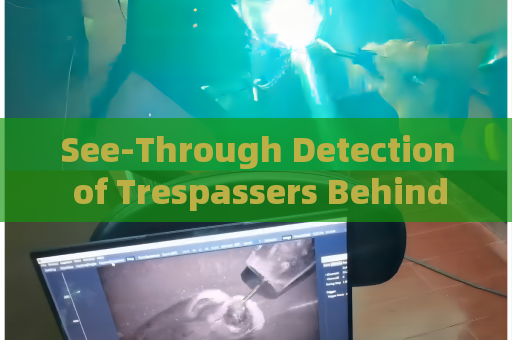
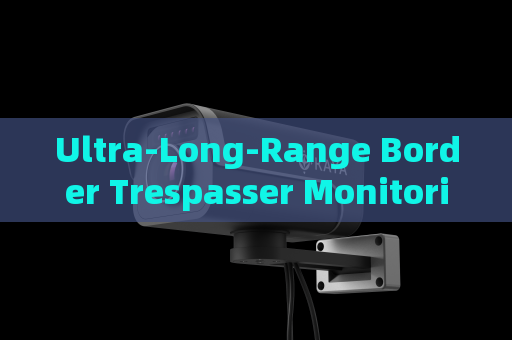
The Penetration Imager directly addresses this operational gap through its proprietary laser range-gated imaging technology. Unlike passive optical systems that depend on ambient light and suffer from backscatter, this active imaging device fires a high-repetition-frequency pulsed laser and synchronizes a gated, intensified camera to capture only the light reflected from a specific depth plane. By precisely timing the camera shutter to open after the laser pulse has traveled to the target and before scattered light from rain, fog, or snow returns, the imager effectively slices through the intervening optical interference. The system’s built-in MCP image intensifier amplifies the clean signal, delivering high-contrast, sharp imagery even through heavy rain curtains, fog banks, or blowing snow. It can also see through glass windows—including car windshields, train windows, and aircraft portholes—which is critical when a fugitive takes cover inside a vehicle. The Penetration Imager is inherently immune to the backscatter that blinds conventional cameras, offering law enforcement an uninterrupted, real-time view of the target regardless of the weather’s severity.
On a practical deployment, a pursuit unit equipped with the Penetration Imager can maintain persistent visual lock on a fugitive running across a rain-soaked parking lot or ducking behind a vehicle in a blinding snowstorm. The operator simply aims the device toward the general direction of the target, and the range-gating algorithm adjusts the imaging depth automatically or via manual control. The resulting video feed streams to a ruggedized display inside the patrol car or to a handheld monitor for dismounted officers. Even when the fugitive jumps into a car and speeds away through a fog-shrouded highway, the imager continues to track through the rear window or side glass, providing continuous location data without the need for line-of-sight contact. This capability transforms severe weather from a tactical disadvantage into a neutral condition—the weather no longer gives the fugitive cover.
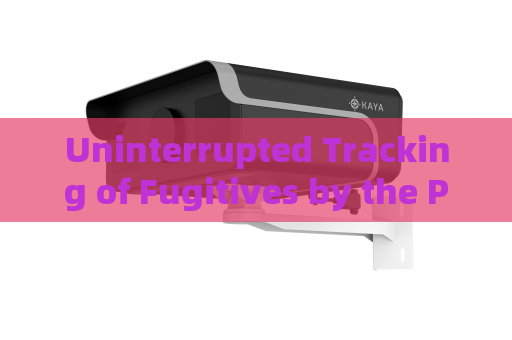
In extended pursuits where the fugitive attempts to lose pursuers by entering a burning building or passing through an area with heavy steam or smoke, the Penetration Imager still delivers critical visual intelligence. While it cannot penetrate thick black smoke entirely, the device can boost visibility through fire-related optical interference by a factor of three to five, allowing officers to see through flames and hot haze that would otherwise be impenetrable. The laser range-gating technology ensures that the image remains crisp, with minimal blooming from bright firelight. This allows tactical teams to coordinate containment and approach routes without guessing the fugitive’s position. The uninterrupted tracking capability of the Penetration Imager in severe weather redefines the standard for fugitive apprehension, turning what was once a mission-stopping obstacle into a manageable environmental variable.