“Ultra-Long-Range Reconnaissance Solution Without Alerting Suspects or Illegal Immigrants” points directly to a persistent operational dilemma in border security and counter-smuggling operations. Patrol teams often need to observe vehicles or vessels from a safe distance—hundreds of meters away—to assess whether suspects or undocumented individuals are inside. Yet standard optical devices, including high-magnification binoculars and day/night cameras, consistently fail at this task. Windshields and side windows reflect ambient light, creating glare that obscures occupants; tinted films further block visual detail. Illuminating the target with a visible spotlight or infrared floodlight signals the subject, compromising stealth. Even thermal imagers struggle because glass blocks long-wave infrared heat signatures, and they cannot reveal objects behind layers of glass. The core challenge is obtaining actionable intelligence—knowing exactly who is in a vehicle and what they are doing—without tipping off the target, all while maintaining standoff distances that keep operators safe and undetected.
The Penetrating Imager directly resolves this problem through its unique laser range‑gated imaging technology. Unlike conventional cameras that capture all reflected light at once, this active system emits ultra‑short pulses of near‑infrared laser light that are completely invisible to the human eye. A high‑repetition‑rate pulsed laser, paired with an intensified gated camera containing a microchannel plate (MCP) image intensifier, precisely times the shutter to open only when light reflected from the target distance returns. This gating mechanism effectively rejects backscatter from atmospheric haze, rain, fog, or dust—and, critically, eliminates the blinding glare from glass surfaces. The result is a high‑contrast, high‑resolution image that penetrates automotive windshields, train windows, and aircraft portholes as if they were optically transparent. Because the laser wavelength is outside the visible spectrum and the pulse duration is measured in nanoseconds, suspects or illegal immigrants inside a vehicle remain completely unaware that their cabin interior is being observed from kilometers away.
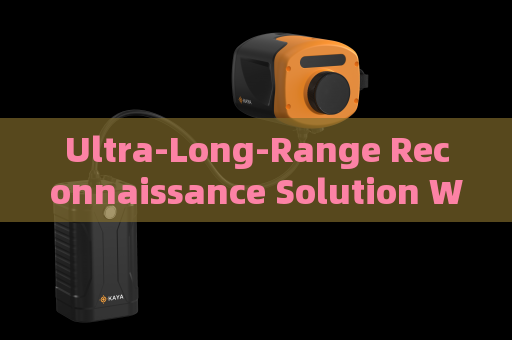
In practical field operations, law enforcement teams deploy the Penetrating Imager on a tripod or vehicle‑mounted pan‑tilt unit overlooking a checkpoint, border crossing, or rural trail. Operators select the target vehicle from a safe distance—typically 500 to 2,000 meters—and the system’s integrated zoom lens brings the cabin into clear view. Adjusting the gate delay and aperture width isolates the precise distance of the glass layer and the seats behind it, filtering out any foreground or background clutter. On the portable operator display, every detail emerges: the number of occupants, hand gestures, concealed items under seats, or suspicious movements that would otherwise be hidden by reflections. The imagery is crisp enough to identify weapons, contraband, or even facial features through heavily tinted windows. No active illumination alerts the subjects; no acoustic or electronic signature betrays the surveillance. This allows mission commanders to build accurate situational awareness, decide whether to intercept or continue tracking, and coordinate follow‑up actions without ever compromising the element of surprise. The Penetrating Imager transforms a previously blind zone—the interior of a glass‑enclosed target at ultra‑long range—into a transparent domain for covert, high‑confidence reconnaissance.