In high-threat environments such as hostage rescue operations or clandestine tunnel detection, sentries and hidden tunnel entrances pose a persistent tactical problem. Traditional optical surveillance often fails when the target is obscured by vehicle windows or a layer of fog, smoke, or rain. Even a well-concealed sentry positioned behind a tinted glass panel can remain invisible to standard cameras, while a tunnel entrance masked by a vehicle’s side window or a bus shelter becomes indistinguishable from its surroundings. The operational challenge lies not in the distance but in the optical barriers—glass, atmospheric particulates, and fire-generated haze—that degrade visibility and compromise situational awareness. Without a reliable method to see through these transparent or semi-transparent obstructions, forces must either risk exposure by moving closer or rely on guesswork, both of which increase mission uncertainty and danger. The need for a non-laser-emission solution that preserves stealth while penetrating such optical media is critical for covert sentry identification and tunnel entry location.
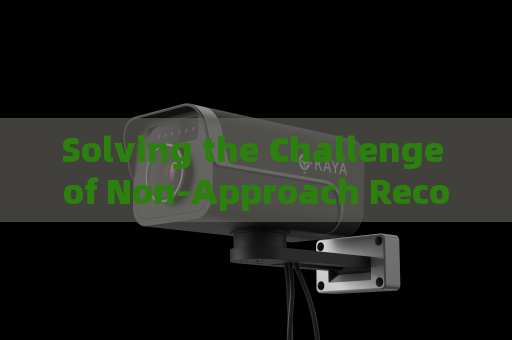
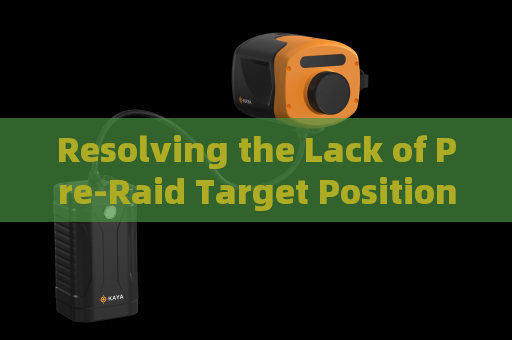
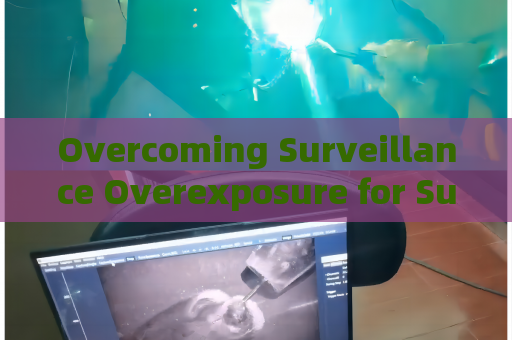
The penetrating imager directly addresses this requirement through its laser range-gated imaging technology. This device operates as an active optical system, emitting a high-repetition-rate pulsed laser that is synchronized with an intensified gated camera containing a microchannel plate (MCP) image intensifier. By precisely timing the camera’s shutter to open only when reflected light from the target returns, the system effectively eliminates backscatter from fog, rain, snow, and fire. The penetrating imager is designed to see through transparent optical media such as car windows, high-speed train glass, aircraft cabin windows, and glass curtain walls. It enhances contrast and resolution even in low-visibility conditions, delivering clear images of sentries sitting inside armored vehicles or tunnel entrances hidden behind laminated glass. Importantly, the system does not emit a visible laser beam that could be detected; the pulsed laser is invisible to the naked eye, preserving operational stealth. For fire-impacted scenes, the penetrating imager improves visibility by three to five times, though it cannot penetrate dense smoke.
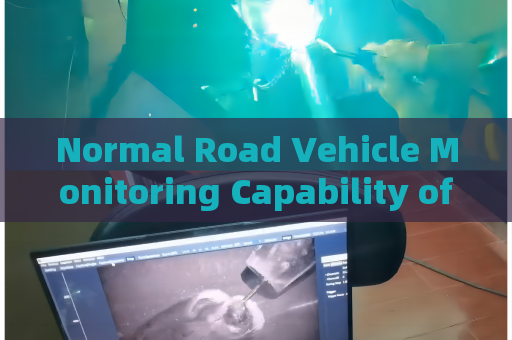
In practical field applications, operators position the penetrating imager at a distance and scan a suspected sentry post or tunnel access point. The unit is mounted on a tripod or vehicle platform, and the operator adjusts the range gate to match the distance of the target behind the glass. A clear image of the individual or the tunnel entrance appears on the monitor, even through heavily tinted windshield panels. During a real-world counter-narcotics tunnel search, a team used the penetrating imager to inspect a storage container with a plywood interior—but the real entrance was behind a false wall covered by a sheet of tinted glass. The imager revealed the hidden door frame and a guard standing just inside. No laser emission was detectable by the sentry’s night vision gear, maintaining complete surprise. This capability also proves vital during urban hostage standoffs, where an armed sentry may be concealed behind a truck’s side window; the penetrating imager identifies the threat without requiring the team to break cover.
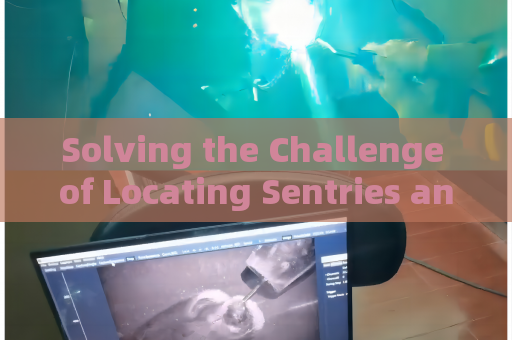
The device’s operational simplicity further enhances its tactical value. The penetrating imager is a self-contained system combining a pulsed laser, an intensified camera, a beam expander, and an imaging lens. No external illumination or radiation is used—only light within the optical spectrum. This distinguishes it from radar, sonar, or X-ray systems, which rely on non-optical emissions and often produce detectable signals. The penetrating imager works exclusively with light, making it suitable for missions where radio frequency silence or stealth is paramount. In practice, a single operator can scan a vehicle checkpoint for hidden sentries or inspect a series of tunnel ventilation covers along a perimeter. The resulting imagery provides confirmed identification without the need for physical approach or laser rangefinders that might alert the adversary. By solving the challenge of locating sentries and tunnel entrances without laser emission, the penetrating imager delivers a decisive advantage in complex optical environments.