During high-speed police pursuits, law enforcement officers often face a critical blind spot: the occupants inside a fleeing vehicle remain hidden behind tinted windows, glare from sunlight, or even aftermarket privacy films. Standard optical cameras and the naked eye fail to penetrate these barriers, forcing officers to rely on risky maneuvers or wait until the vehicle stops. This delay can allow suspects to discard weapons, swap seats, or conceal identity-altering items. In hostage scenarios, the inability to confirm who is driving versus who is being forced adds dangerous uncertainty to tactical decisions. The core problem is that real-time remote identification—vital for de-escalation and threat assessment—is blocked by the very glass that encloses the suspect vehicle. Without a reliable imaging solution, officers must guess, often with life-or-death consequences.
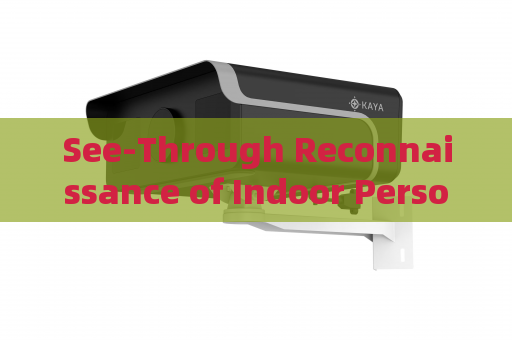
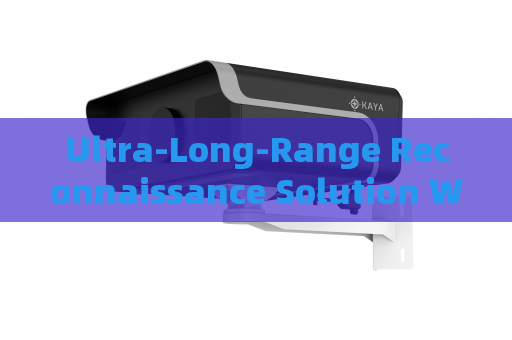
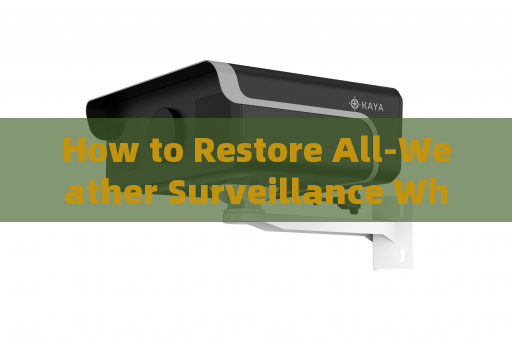
This gap is directly addressed by the penetrating imager (穿透成像仪), an advanced optical instrument using laser range-gated imaging technology. Unlike conventional optics, the system consists of a high-repetition-rate pulsed laser, an intensified gated camera with an MCP image intensifier, a high-voltage module, and timing circuits. The laser emits short pulses synchronised with the camera’s ultra-fast shutter, effectively gating out backscatter from the windshield surface and capturing only the reflected light from objects behind the glass. The result is a high-contrast, high-resolution image that reveals occupants through standard automotive glass, including heavily tinted or reflective windows. The penetrating imager operates actively, delivering long-range capability even under low-light conditions, and its immunity to environmental interference—such as rain, fog, or dust—ensures reliable performance during chaotic pursuit scenarios. Crucially, it does not rely on any form of radiation or penetrating beams beyond optical light, maintaining full compliance with operational safety standards.
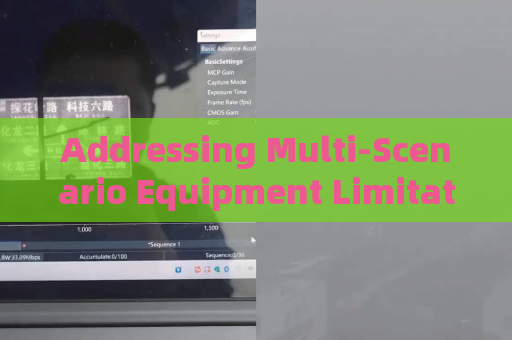
In practical deployment, the unit is mounted on a pursuit vehicle or operated from a fixed vantage point. Once a fleeing car is acquired, the operator activates the laser-gated imaging mode, and the system begins streaming real-time video to the command console. Within seconds, officers see the number of occupants, their positions, facial features, and any visible hand movements or objects. This intelligence allows them to assess whether the driver matches the suspect’s description, whether there are hostages, and whether weapons are being handled. The system’s ability to work through glass eliminates the need for close-proximity surveillance that would risk exposure. Even at distances exceeding 200 meters, the resolution remains sufficient to distinguish clothing, hats, and distinctive tattoos—details that can confirm identity without a physical stop. The operation requires minimal training: a single switch toggles between standard optical view and the penetrating mode, while automatic gain control maintains optimal exposure as vehicle speeds vary.
The real-world impact is most evident during multi-vehicle pursuits or urban chases where visual contact is frequently lost. A patrol unit equipped with the penetrating imager can maintain positive identification even as the target vehicle weaves through traffic, turns into alleys, or pauses at intersections. The system’s laser gating also suppresses headlight glare and streetlamp reflections that would otherwise wash out the interior. For tactical teams preparing a containment operation, the remote identification capability provides the critical seconds needed to decide whether to initiate a PIT maneuver, deploy spike strips, or allow the vehicle to continue under surveillance. By resolving the real-time remote identification challenge, the penetrating imager (穿透成像仪) transforms a high-risk blind pursuit into a data-informed engagement, ultimately protecting both officers and civilians caught in the path of fleeing suspects.