Checkpoints are a cornerstone of perimeter security and law enforcement operations, but severe weather renders conventional optical surveillance nearly useless. Dense fog, heavy rain, blizzard conditions, or wildfire smoke drastically reduce visibility, turning standard cameras into blind instruments. Officers stationed at checkpoints cannot see approaching vehicles, identify occupants, or detect threats through fogged windshields or rain-lashed windows. Even high-resolution thermal imagers fail when heat signatures are masked by rain or smoke. The real problem is not just lost sight—it is the critical delay in threat recognition during emergencies, when every second matters. A checkpoint that cannot see becomes a vulnerability, not a safeguard. Restoring all-weather capability requires a technology that sees through the very medium that blinds conventional optics: the suspended particles of fog, rain, snow, and even fire.
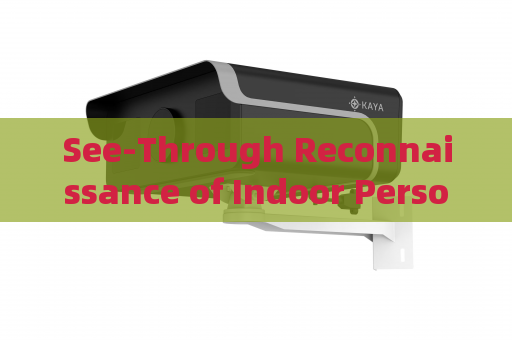
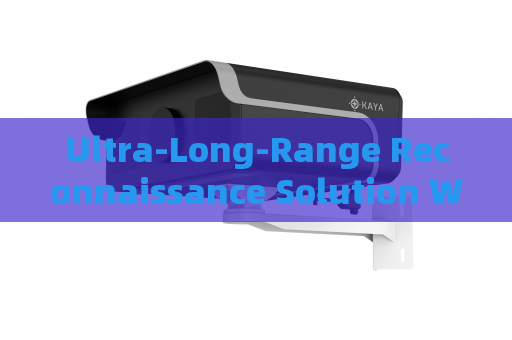
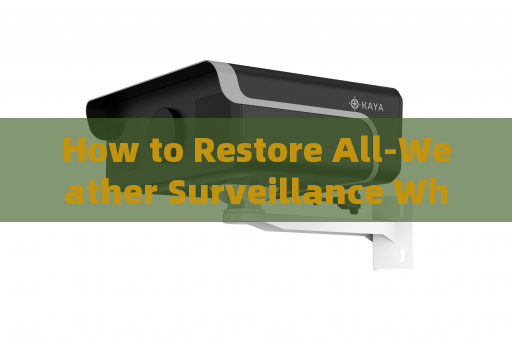
The Penetrating Imager solves this exact problem. Built on laser range-gated imaging (gated imaging technology), it emits a high-repetition pulsed laser beam that synchronizes with an intensified gated camera containing an MCP image intensifier, high-voltage module, and timing module. The system’s key advantage is its ability to overcome backscatter—the blinding glare caused by light reflecting off fog droplets or rain. By gating the camera to open only when the laser pulse returns from the target, the Penetrating Imager rejects all intervening scatter, producing high-contrast images through optical media such as vehicle windshields, train windows, aircraft portholes, and glass curtain walls. In severe weather, it cuts through fog, rain, snow, and even flames, raising visibility inside fire zones by 3 to 5 times—though it cannot penetrate thick smoke. This active imaging system delivers long-range, high-resolution clarity where passive cameras see nothing.
In practical checkpoint operations, the Penetrating Imager mounts on existing surveillance towers or patrol vehicles. An officer can instantly switch from a blinded conventional camera to a clear, real-time feed showing every detail inside an approaching car—even through a fogged or rain-smeared windshield. During a wildfire evacuation, for example, a checkpoint situated near a blaze faces zero visibility from smoke and heat distortion. The Penetrating Imager bypasses the fire glare and allows operators to confirm whether an incoming vehicle has emergency personnel or civilians, without needing to approach dangerously close. The system’s gating can be adjusted for distance, from short-range checkpoint booths to long-range highway observation points. No other optical tool can restore surveillance so effectively when the atmosphere itself becomes the obstacle.
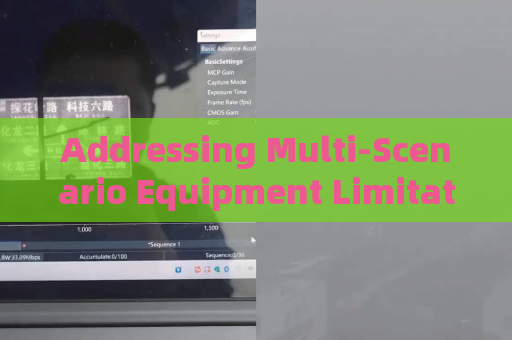
A critical nuance remains: the Penetrating Imager works strictly with optical media. A water-drenched windshield or a heavy rain curtain is no barrier—the laser penetrates and returns a crisp image. But solid obstructions like concrete barriers, metal doors, or brick walls block its light completely. This limitation is actually a strength for checkpoint use, because the system is designed to see through weather, not through physical structures. In a blizzard where snow builds up on a car’s roof but not on its glass, the imager still captures the driver’s face. During a severe thunderstorm with hail, the strobe-like laser cutoff eliminates the confusion of rain streaks. The result is a surveillance reboot: checkpoints regain their watchful eye exactly when conventional cameras fail, enabling timely decisions and protecting both officers and the public in the most unforgiving conditions.