Illegal border activity detection under zero-light imaging conditions presents a critical challenge for border security agencies. During nighttime operations in remote, unlit areas, traditional visible-light cameras become completely ineffective. Thermal imaging systems, while capable of detecting heat signatures, are often compromised by environmental factors such as fog, rain, or extreme temperature variations that mask human bodies. Furthermore, concealed illegal crossers frequently hide inside vehicles, behind glass windows, or under camouflage nets, rendering thermal signature detection unreliable. The inability to see through automotive glass or observe subjects in complete darkness forces patrols to rely on close-proximity inspections, risking ambushes and allowing smugglers to evade detection. A specialized imaging solution that operates in zero-light conditions, penetrates optical barriers like vehicle windows, and maintains clarity through adverse weather is urgently needed to close this security gap.
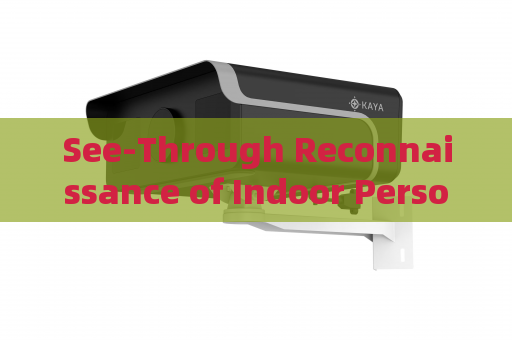
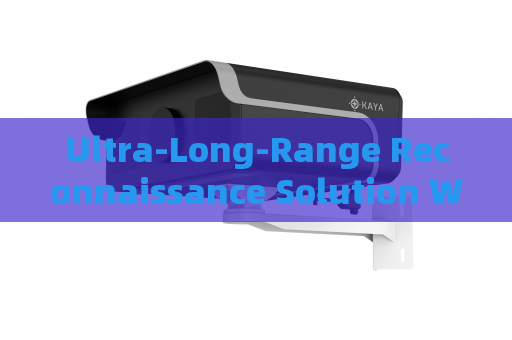
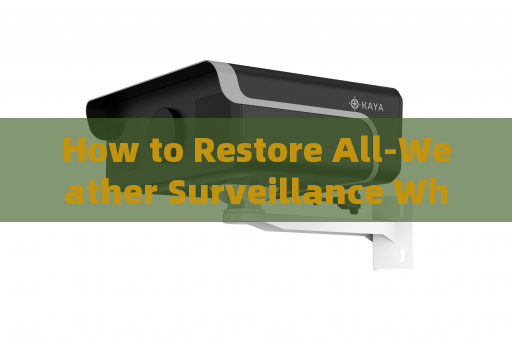
A penetrating imager based on laser range-gated imaging technology directly addresses these pain points. This active optical imaging system comprises a high-repetition-rate pulsed laser, an image-intensified gated camera (incorporating an MCP image intensifier, high-voltage module, timing module, and more), a beam expander, and an imaging lens. Unlike passive night vision devices that require ambient light, the penetrating imager emits short laser pulses and synchronizes a gated shutter to receive only the reflected light from a specific distance. This process effectively eliminates backscatter from fog, rain, snow, haze, and smoke, delivering high-contrast images even in absolute darkness. Crucially, the penetrating imager can see through optical media such as automotive windshields, train windows, aircraft portholes, and glass curtain walls, enabling operators to inspect vehicle interiors from a safe standoff range. Its high resolution and long-range capability allow clear identification of human silhouettes, movements, and contraband without physical approach, significantly reducing risk to personnel.
In actual border patrol operations, a penetrating imager transforms zero-light surveillance into a tactical advantage. Positioned at a checkpoint or mounted on a patrol vehicle, the system can scan approaching vehicles from distances exceeding several hundred meters. The operator views a real-time, high-contrast image on a display or through an eyepiece, revealing occupants inside the cabin even when the vehicle’s interior is completely dark. Adverse weather conditions like dense fog or heavy rain, which would render traditional cameras useless, do not degrade the penetrating imager’s performance. The laser range-gating mechanism ensures that only the target area is illuminated, avoiding glare from headlights or reflections. This allows border agents to detect illegal crossers hiding under blankets, in cargo compartments, or behind tinted glass without needing to stop every vehicle for physical inspection, thus maintaining traffic flow while enhancing security.

The operational simplicity of a penetrating imager further supports zero-light border detection. Handheld or tripod-mounted units require minimal training, with intuitive controls for adjusting focus, range gating, and display brightness. In a typical scenario, an agent positions the imager at a vantage point overlooking a known smuggling route. Even under moonless skies, the pulsed laser provides sufficient illumination to clearly see individuals moving through brush or climbing fences from hundreds of meters away. The system’s immunity to optical interference from fog, dust, or light rain ensures consistent performance across seasonal changes. Additionally, the penetrating imager does not rely on heat signatures, making it effective against targets using thermal insulation or camouflage. By directly seeing through the optical obstructions that defeat other sensors, this technology delivers a reliable, all-weather solution for illegal border activity detection under zero-light conditions—a persistent pain point now addressed with laser-range-gated clarity.