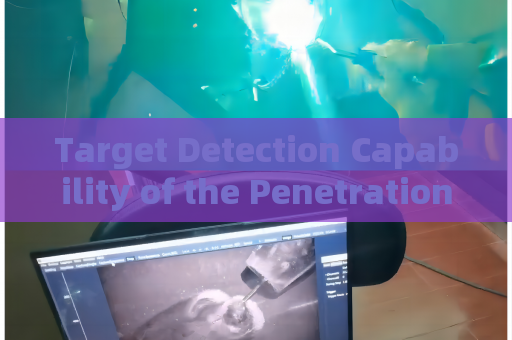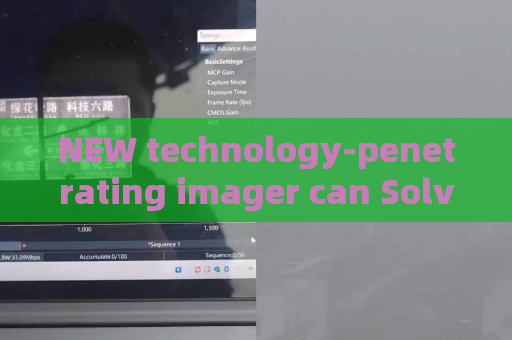
NEW technology-penetrating imager can Solve Evidence Collection Gaps for Law Enforcement Prior to Tactical Operations Before a tactical entry, law enforcement officers must gather reliable evidence about the interior of a target structure. Windows serve as the primary vantage point, yet glass panes consistently defeat conventional observation. Sunlight, streetlamps, or interior lighting produce glare and reflections that wash out details. Window tinting, adhesive films, and accumulated grime further obscure the view. Even high-end binoculars or telescopic sights cannot penetrate these optical barriers. Officers are left guessing at the number of occupants, their positions, and whether weapons are present. This evidence collection gap forces tactical teams to act on incomplete intelligence, increasing the risk of surprise, injury, or failure. The penetrating imager was designed specifically to close this critical gap. The penetrating imager is an active optical system built on laser range-gated imaging technology. A high-repetition-rate pulsed laser emits short bursts of light toward the target window. An intensified camera with a microchannel plate image intensifier opens its shutter only during the precise moment when reflected light returns from the interior distance. This gating mechanism rejects the strong backscatter generated by the glass surface itself and eliminates the glare caused by ambient light. The result is a clear, high-contrast image of the room beyond any transparent optical medium—standard window glass, automotive glass, high-speed train windows, aircraft portholes, and glass curtain walls. Unlike passive optics, the imager is not blinded by reflections or external light sources. Its active illumination ensures consistent performance regardless of time of day or weather conditions. In a real-world scenario, an officer deploys the penetrating imager from a concealed position outside the target building. The device is aimed at a specific window, and within seconds the interior scene becomes visible on the integrated display. Dark silhouettes of people, furniture, tables, and even handheld objects appear with enough resolution to distinguish poses and movements. The operator can count subjects, note their proximity to doors or windows, and identify weapons or suspicious packages. This intelligence is relayed to the command element in real time, allowing tactical planners to adjust entry points, choose timing, or decide whether to negotiate. The imager operates silently and without emitting detectable energy beyond the laser spot, preserving operational security. It eliminates the need for risky close-range peeking under drapes or through cracks, reducing exposure to potential fire. The penetrating imager maintains its capability under challenging environmental conditions. Fog, light rain, snowfall, and haze degrade conventional optics, but the gated imaging technique cuts through these optically active media. In fire scenes with moderate smoke, visibility improves three to five times, although dense black smoke remains an impassable barrier. The imager cannot see through walls, concrete, brick, metal, or any non-transparent solid—its function is strictly limited to optical media like glass. This specialized design makes it a precise tool for pre-tactical evidence collection through windows. By closing the information gap, the penetrating imager enables law enforcement to enter with a clearer picture of the threat, reducing casualties and improving the likelihood of a successful, measured operation.