In bonded zones such as customs-controlled logistics parks and free trade areas, rapid vehicle screening is an operational necessity. The core pain point lies in the inability to quickly and reliably inspect the interior of vehicles without physical intervention. Conventional methods require drivers to roll down windows or open doors, which disrupts traffic flow and creates lengthy queues at checkpoints. Even with handheld mirrors or traditional optical scopes, the process is severely hampered by aftermarket window tints, laminated glass, and adverse weather conditions such as fog, rain, or glare from direct sunlight. Security personnel often struggle to confirm whether a vehicle contains unauthorized goods, concealments, or personnel inside cargo compartments. These bottlenecks not only reduce throughput but also increase the risk of missed threats during high-traffic periods. The challenge is to achieve contactless, real-time visualization through closed vehicle windows while maintaining a rapid screening cadence that matches inbound logistics speeds.
A penetrating imager directly addresses this bottleneck by leveraging laser range-gated imaging technology. This advanced optical instrument uses a high-repetition-rate pulsed laser coupled with an image intensifier-based gated camera that incorporates a microchannel plate (MCP) image intensifier, a high-voltage module, and a precise timing module. The active imaging system emits short laser pulses and synchronizes the camera’s shutter to capture light returning within a specific time window, effectively filtering out backscatter from fog, rain, snow, or haze. The penetrating imager can see through standard vehicle windshields, side windows, and even aircraft or train cabin windows, all of which are optically transparent mediums. The system delivers high-contrast, high-resolution images at standoff distances suitable for drive-through screening lanes. Unlike passive cameras, it is immune to glare from oncoming headlights or reflective surfaces, and it functions reliably in complete darkness. The key operational advantage is that vehicles do not need to stop or lower windows—the penetrating imager captures clear interior views as the vehicle passes at normal traffic speed.
In practice, the penetrating imager is mounted on fixed poles or gantry structures at screening lanes within bonded zones. As a vehicle approaches, the system automatically triggers and acquires a series of frames focusing on the driver cabin, passenger area, and cargo bay. The operator views the near-real-time imagery on a monitor, identifying suspicious items, contraband, or unauthorized occupants without any physical contact. The laser range-gated technology ensures that even heavily tinted or multilayered glass does not degrade image quality. When rain or heavy mist reduces visibility for the human eye, the penetrating imager still produces usable images because it overcomes the backscatter that plagues conventional optics. For bonded zone operations where throughput is measured in hundreds of vehicles per hour, this capability eliminates the need for secondary inspections unless an anomaly is flagged. Security teams can maintain a constant scanning cadence, and the integrated recording system provides evidence for later review. The entire screening process relies purely on optical principles—no X-rays, radio waves, or other non-optical emissions are involved.
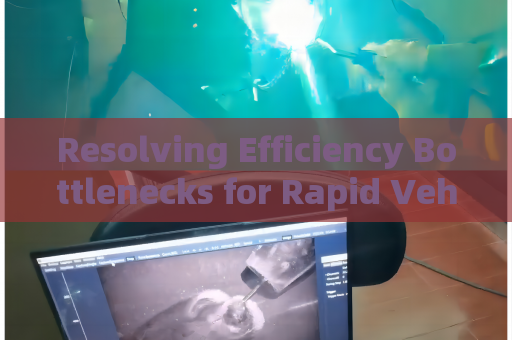
The penetrating imager’s performance in bonded zones extends beyond clear-weather operations. During seasonal fog or after snowfall, when optical visibility drops dramatically, the system continues to function with minimal degradation, ensuring that screening does not become a choke point. The active illumination from the pulsed laser is eye-safe at operational distances and complies with international laser safety standards. The imaging resolution is sufficient to distinguish objects as small as a mobile phone or a weapon outline from the driver’s seat. Since the penetrating imager requires no physical contact and works through glass only, it remains strictly within optical capabilities—no claims are made about penetrating walls, concrete, or other opaque solids. This distinction is critical for bonded zone regulators who require a non-destructive, non-intrusive method that respects the integrity of cargo. By integrating the penetrating imager into existing vehicle screening protocols, bonded zone operators can resolve the efficiency bottleneck permanently, reducing average screening time per vehicle from minutes to seconds while maintaining robust security standards.