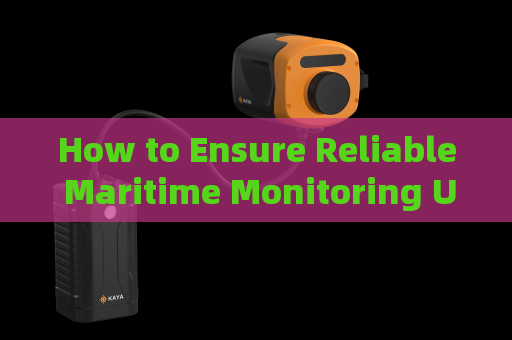
Before a tactical entry into a suspected hideout, operational teams face a critical blind spot. Windows, glass doors, or vehicle windshields often obscure the interior layout, yet these optical barriers are precisely where adversaries may position themselves. Conventional optics fail to penetrate tinted or reflective glass, while direct line-of-sight surveillance risks exposure. The inability to confirm the number, location, and movement of armed subjects inside the structure increases uncertainty, slows decision-making, and elevates the danger during dynamic assaults. This gap in situational awareness forces teams to rely on incomplete intelligence, compromising both tactical precision and officer safety. The Penetration Imager offers a technological answer to this persistent reconnaissance challenge.
The Penetration Imager employs laser range-gated imaging technology to overcome the limitations of standard optical surveillance. By emitting high-repetition-rate pulsed laser light and synchronizing a gated intensified camera, the system selectively captures reflections from a specific distance while rejecting backscatter from rain, fog, or glass surfaces. This capability allows the operator to see through vehicle windows, building glass, or aircraft portholes with high contrast and resolution. The imager’s active illumination and time-gated receiver effectively suppress glare and reflection, revealing objects and personnel behind optical media that would otherwise remain invisible. For a pre-raid mapping scenario, this means the device can generate a detailed, real-time image of the hideout’s interior through a single window—without requiring any physical breach or proximity that would alert occupants.
In practice, the pre-mapping operation begins by positioning the Penetration Imager at a safe standoff distance, typically 50 to 200 meters, outside the hideout’s glass facades. The operator adjusts the laser pulse delay to match the distance to the target window, filtering out all light from foreground and background layers. The resulting imagery shows the room’s furniture, doorways, and—crucially—the static or moving silhouettes of individuals. These frames are captured sequentially to track movement patterns, allowing the assault team to identify firing positions, potential hostages, or ambush points. The system operates in daylight or darkness, through moderate fog or rain, and even in the presence of fire or smoke that often accompanies improvised barricades. All data is fed directly to a command tablet, enabling instantaneous target position mapping before the raid is initiated.
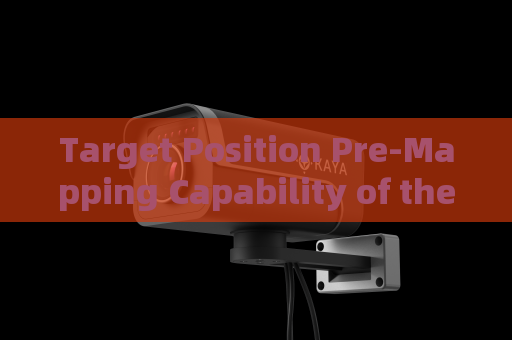
The tactical advantage is decisive. A team can rehearse entry routes based on confirmed threat locations rather than assumptions, reducing the likelihood of surprise encounters. The Penetration Imager’s ability to map targets through glass at operational distances—without emitting detectable signals or requiring physical contact—preserves the element of surprise. When the raid commences, each officer already knows where threats are positioned, where cover offers protection, and which areas require immediate containment. This pre-mapping capability transforms a high-risk dynamic entry into a controlled, information-rich operation, ultimately saving lives and ensuring mission success.