Customs checkpoints face the persistent challenge of balancing thorough security inspections with the imperative of maintaining the rapid flow of goods and people. Traditional methods for inspecting vehicle cabins often rely on physical searches or imaging technologies that may struggle with visual obstructions. This creates a critical pain point: the need to detect concealed threats or contraband hidden within a vehicle's interior without causing intrusive delays or compromising the safety of officers. The opacity of windows, combined with adverse weather conditions like fog or glare, can severely limit an officer's visual assessment, potentially allowing security breaches to go undetected.
The penetration imager addresses this exact vulnerability through its core capability of high-contrast imaging through optical media. This advanced optical instrument utilizes laser range-gated imaging technology. The system actively illuminates the target area with high-repetition-frequency pulsed laser light. Its gated camera, equipped with a microchannel plate intensifier and precise timing modules, captures the reflected light within a specifically controlled, narrow time window. This process effectively filters out backscattered light from intermediate obscurants like vehicle glass, while simultaneously mitigating the degrading effects of atmospheric conditions such as light rain, mist, or haze. Consequently, it provides a clear visual penetration of standard automotive windows, offering a view into the vehicle's cabin that is unobtainable with conventional visual or passive imaging means under similar challenging circumstances.
In practical deployment at a vehicle inspection lane, the penetration imager is operated from a safe standoff distance. The officer directs the system's laser illumination and imaging lens towards the target vehicle's windows. The real-time video feed displayed on the monitor reveals the interior space with remarkable clarity, allowing for the immediate identification of anomalies—such as unauthorized occupants in cargo areas, irregular shapes of packages, or suspicious items stowed near windows—without requiring the driver to exit or open compartments. This rapid scan significantly accelerates the decision-making process; vehicles with clean scans are cleared swiftly, while those exhibiting anomalies can be flagged for targeted secondary inspection. The non-intrusive nature of the check minimizes operational disruption and enhances officer safety by maintaining a physical barrier during the initial assessment.
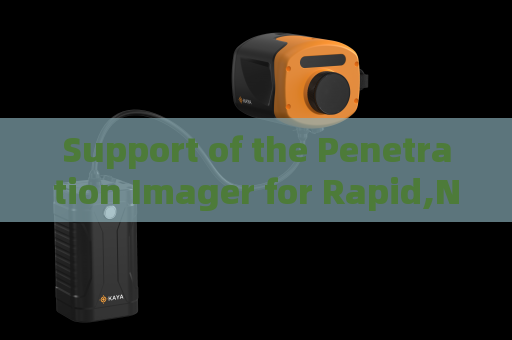
The effectiveness of this technology is further underscored in variable operational environments. Unlike passive systems that suffer from glare or low contrast, the active gated imaging principle ensures reliable performance during dawn, dusk, or under artificial lighting at checkpoints. The ability to see through the optical medium of a window, even when it is tinted or slightly soiled, provides a consistent and reliable layer of security screening. This transforms the vehicle window from a visual barrier into a transparent interface for security, enabling a comprehensive visual assessment that is both rapid and thorough, fundamentally altering the risk profile of vehicular border crossings.