Initial assessment during structural firefighting is critically hindered when intense flames and convective heat create severe optical interference. These conditions scatter and overwhelm visible light, rendering traditional cameras and even some thermal imaging systems less effective. The shimmering air and radiant energy from extreme heat degrade image contrast and clarity, creating a dangerous visual void for rescue teams attempting to locate victims or identify structural integrity from a safe exterior position. This optical barrier directly compromises situational awareness and delays vital decision-making in time-sensitive operations.
The penetration imager addresses this specific challenge through its core capability of laser range-gated imaging. This active imaging system projects high-repetition-frequency pulsed laser light towards the target scene. The synchronized gated camera, equipped with a microchannel plate intensifier, opens its shutter only for the precise moment when the reflected light from the target returns, effectively rejecting most of the scattered light from the intervening fire and heat haze. This temporal filtering allows the system to achieve high-contrast imaging by effectively overcoming backscatter from the optical disturbances caused by flames and turbulent hot air, thereby significantly improving visibility through these specific mediums.
In practical fireground application, this technology enables incident commanders to conduct a safer and more informed visual assessment. Operated from a distance outside the immediate fire zone, the penetration imager can be directed through windows or other glass apertures to gather intelligence about interior conditions obscured by rolling flames and heat distortion. By adjusting the laser pulse and gate timing, operators can optimize the image to see through the optical noise, identifying potential victim locations, fire spread patterns, or structural elements that are otherwise invisible. This capability directly enhances the efficiency and safety of initial fire suppression and rescue strategies.
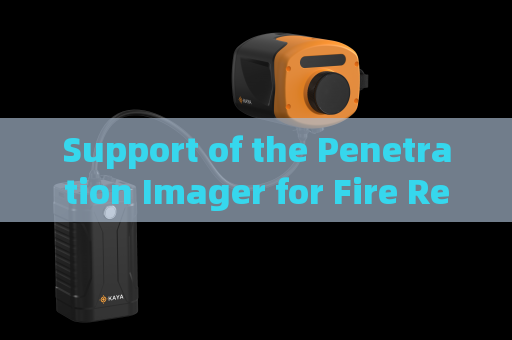
The operational advantage lies in its ability to maintain image resolution and detail where other systems falter under intense optical interference from heat and fire. While it cannot penetrate thick smoke, its specific effectiveness against the luminous and convective interference of flames provides a crucial visual tool. The penetration imager delivers a quantifiable enhancement, typically improving effective visibility in such fiery environments by three to five times, turning a blinding glare into a navigable visual field for strategic planning. This focused capability makes the penetration imager a specialized asset for overcoming the distinct visual obstruction posed by fire and extreme heat.