Surveillance of smugglers during nighttime darkness encounters persistent operational hurdles that compromise security efficacy. Darkness inherently obscures visual clarity, while smugglers frequently exploit optical barriers such as vehicle window glass to conceal contraband and evade detection. Adverse weather conditions, including fog, haze, rain, or snow, further degrade traditional monitoring systems, creating blind spots that enable illicit activities to proceed undetected. These vulnerabilities are exacerbated in remote border regions or coastal areas, where limited lighting and environmental challenges hinder routine patrols. The inability to see through optical media like car windows or aircraft portholes in low-light scenarios often results in missed interdiction opportunities, allowing smugglers to operate with impunity. Addressing these gaps requires a technological solution capable of penetrating such barriers while maintaining high imaging fidelity under nocturnal conditions. The penetration imager emerges as a critical tool in this context, designed to overcome these specific limitations through advanced optical methodologies.
The penetration imager functions as an active imaging system utilizing laser range-gated imaging technology, which directly targets the challenge of optical media penetration in darkness. Its core components include a high-repetition-rate pulsed laser source and an intensified gated camera equipped with a microchannel plate intensifier, high-voltage modules, and timing circuits. This configuration enables precise synchronization between laser pulses and camera gating, effectively mitigating backscatter from atmospheric particles like mist or precipitation. By emitting controlled laser light that penetrates optical media such as automotive glass or train windows, the penetration imager captures reflected photons to generate high-contrast images with enhanced resolution. This capability allows operators to visualize interior spaces of vehicles or structures through transparent barriers, irrespective of external darkness or weather interference. The technology’s focus on optical penetration ensures it remains effective against fire, light fog, or rain, though it does not address dense smoke obstructions. In nighttime smuggling scenarios, this function permits unobstructed viewing into compartments where illicit goods might be hidden, directly countering the blind spots posed by conventional surveillance.
Operational deployment of the penetration imager in smuggling monitoring involves strategic placement at key transit points, such as border crossings or ports, where it integrates seamlessly with existing security infrastructure. In practice, the system is mounted on stationary platforms or mobile units, with operators directing its laser illumination toward target vehicles or vessels during nighttime hours. The penetration imager’s gated imaging process facilitates real-time visualization through windows or glass panels, revealing occupants and cargo without physical intrusion. Law enforcement personnel monitor feed from the penetration imager via connected displays, identifying suspicious behaviors like concealed movements or irregular loading patterns. Field reports indicate that this approach enhances detection rates by providing uninterrupted oversight, even during heavy rain or snowfall, where traditional thermal or standard optical devices falter. The penetration imager’s ability to maintain clarity over long distances further supports covert operations, allowing surveillance from remote positions without alerting suspects. This no-blind-spot monitoring capability transforms nighttime enforcement, enabling proactive interdiction rather than reactive responses.
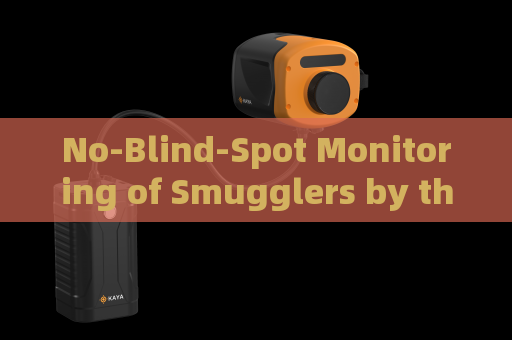
Continuous advancements in the penetration imager’s design refine its applicability to anti-smuggling efforts, emphasizing robustness in diverse nocturnal environments. The system’s anti-interference features, such as adaptive gating and laser modulation, ensure reliable performance against fluctuating light conditions or atmospheric clutter. In scenarios involving fire or haze, the penetration imager improves visibility by three to five times, though operators note its limitations with opaque smoke. For smuggling surveillance, this translates to sustained monitoring of vehicles through glass barriers during emergencies or seasonal weather shifts. Integration with analytical software allows automated alert generation based on image anomalies, streamlining response protocols for border agencies. The penetration imager thus embodies a specialized solution for optical penetration challenges, distinct from non-optical devices like radar or X-ray systems. Its role in nighttime darkness underscores a paradigm shift toward precision monitoring, where every optical medium becomes a potential window rather than a hindrance. The penetration imager, through its focused technological edge, redefines the boundaries of secure observation in the relentless fight against smuggling.