In harsh oilfield environments, all-weather protection failures are a persistent and dangerous challenge. Workers and security personnel rely on optical surveillance systems to monitor remote wellheads, pipeline leaks, and unauthorized access. However, these systems are frequently compromised by optically distorted conditions such as rain, snow, fog, and high-temperature glare from flare stacks or steam vents. The intense backscatter and light scatter caused by these elements degrade image contrast and resolution, rendering conventional cameras nearly blind. Even when protective housings or wipers are used, the inherent optical distortion from thick glass windows, oily film, or condensation on equipment enclosures further exacerbates the problem. This leads to missed detections, delayed response times, and increased risk of catastrophic incidents like spills or fires. A penetrating imager is urgently needed to restore clear vision under these all-weather protection failures.
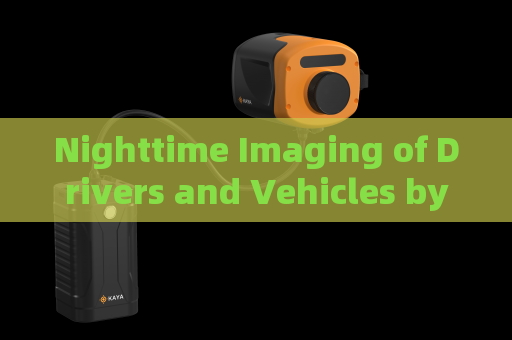
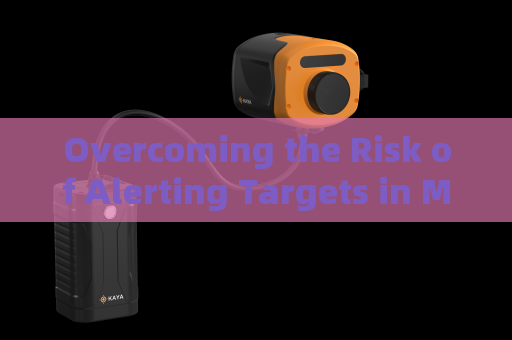
The penetrating imager solves this exact problem through its laser range-gated imaging technology. This active imaging system employs a high-repetition-rate pulsed laser, an image-intensified gated camera (with an MCP image intensifier, high-voltage module, and timing module), a beam expander, and an imaging lens. By precisely timing the laser pulse and the camera's shutter, it gates out backscatter from fog, rain, snow, and dust, capturing only the reflected light from the target. This technology allows the penetrating imager to effectively overcome optical distortions caused by atmospheric particulates, as well as optical media like glass windows on vehicle cabs, drilling rig enclosures, or control room panels. In an oilfield where a high-pressure valve must be visually inspected through a thick safety glass coated with oil mist, the penetrating imager delivers a high-contrast, high-resolution image that remains unaffected by the glare and scatter. It operates at long range and withstands intense electromagnetic interference from nearby machinery, making it a robust solution for all-weather protection failures.
In practice, the penetrating imager is mounted on a pan-tilt unit or handheld by a field operator. During a routine patrol after a heavy downpour, an operator scans a pipeline compressor station through a heavily fogged observation window. The device instantly suppresses the backscatter, revealing the pressure gauge readings and potential leaks behind the glass. Unlike thermal imagers, which cannot see through glass and are confused by hot surfaces, the penetrating imager works purely in the optical domain. Its ability to penetrate fog and rain means that even under a sudden snowstorm, the image remains stable and clear. The operator can adjust the laser intensity and gate timing to optimize contrast for different distances—from a few meters to hundreds of meters. This flexibility ensures that all-weather protection failures are addressed in real time, without needing to clean or replace protective windows.
The penetrating imager also proves invaluable during fire emergencies in oilfield environments. When a flare stack is burning or a crude oil spill ignites, dense smoke and intense heat distort the air, creating severe optical turbulence. Standard cameras fail to identify the fire’s edge or the location of nearby personnel. The penetrating imager enhances visibility by three to five times in fire conditions, cutting through the heat shimmer and smoke layer (though not dense black smoke). This allows incident commanders to direct water cannons or foam deployment with precision, reducing collateral damage. Furthermore, the device’s all-weather capability extends to monitoring remote well sites during sandstorms, where typical systems are rendered useless. By integrating the penetrating imager into existing surveillance networks, oilfield operators achieve a significant reduction in all-weather protection failures, ensuring continuous situational awareness even in the most optically distorted environments.