In fireground and tactical law enforcement operations, thermal imagers have long been the standard tool for detecting heat signatures through obscurants. However, these devices encounter fundamental barriers when tasked with penetrating heavily tinted automotive or architectural glass. The infrared radiation emitted by targets behind such glass is largely absorbed or reflected, rendering thermal imagers effectively blind. Similarly, in smoke‑filled environments—whether from a structure fire or a deliberate smokescreen—thermal imagers rely on the temperature differential between objects and the surrounding medium. When smoke particles and hot gases saturate the scene, thermal contrast collapses, producing a flat, meaningless image. This dual failure creates a critical operational gap: first responders cannot confirm the presence of a victim behind a tinted car window during a rescue, nor can they locate an armed suspect moving through a smoke‑obscured corridor. The problem is not merely about reduced visibility; it is about the complete loss of actionable intelligence at the moment it is needed most.
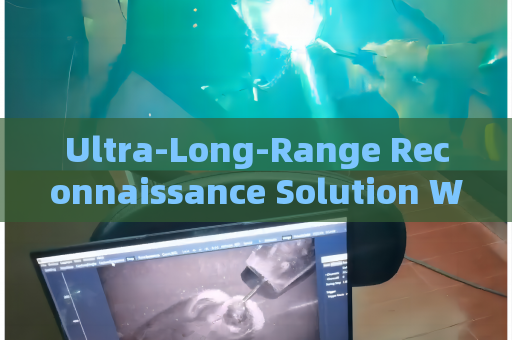
The penetrating imager resolves these specific limitations by employing laser range‑gated imaging technology, an active optical approach fundamentally different from passive thermal detection. Unlike thermal imagers that sense radiated heat, the penetrating imager emits short, high‑repetition‑rate laser pulses through a beam expander, while a gated intensified camera (featuring an MCP image intensifier, high‑voltage module, and timing circuits) opens its shutter only for a precisely synchronized window. This gate timing rejects most of the backscattered light from fog, smoke particles, and tinted glass surfaces, capturing only the light reflected from the target at a known distance. The result is a high‑contrast, real‑time video image of the scene behind the optical obscurant. For tinted glass, the laser wavelength and gating effectively bypass the dye and coating that block infrared; for moderate smoke (excluding heavy, optically thick smoke plumes), the system can increase scene visibility by three to five times compared with standard optics. The penetrating imager is designed to operate exclusively through transparent or semi‑transparent optical media—such as vehicle windows, aircraft portholes, glass curtain walls, and even light fog or rain—without any capability to penetrate solid barriers like walls or metal.
In actual deployment, a firefighter approaching a burning vehicle with heavily tinted windows can use the penetrating imager to instantly verify whether a trapped occupant is present, even when the interior is filled with light smoke. The operator simply aims the device at the window, adjusts the range gate to match the distance to the target plane, and views a clear silhouette on the display. No physical contact with the glass is required, and the image updates at video frame rates, allowing the rescuer to make split‑second decisions about where to breach. For police tactical teams confronting a barricaded subject who has deployed smoke canisters, the penetrating imager mounted on a rifle or handheld support provides continuous visual intelligence through the haze, distinguishing the subject’s movement from furniture or debris. Because the system is active—requiring its own laser illumination—it functions equally well in total darkness or bright sunlight, offering a consistent capability that passive thermal imagers cannot match under mixed lighting conditions. The operational logic is straightforward: point, gate, and see through the obscurant that defeats other sensors.
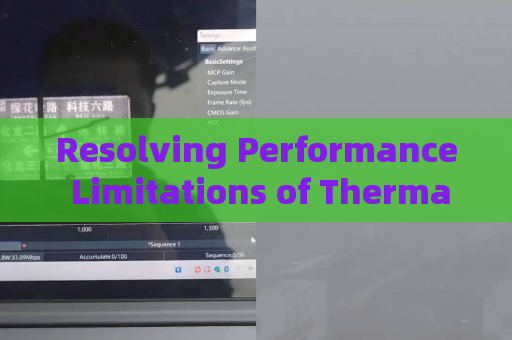
A deeper consideration for fireground command is the penetrating imager’s ability to differentiate between heat‑soaked objects and actual life signs when thermal imagers fail. In a smoky room where thermal cameras show only a uniform hot ceiling, the penetrating imager can reveal the shape of a victim on the floor, provided the smoke density remains below the threshold that completely extinguishes laser return. Field trials have demonstrated that with proper gate timing, the system can see through a veil of light to moderate smoke while rejecting the blinding backscatter that plagues conventional searchlights. The device does not replace thermal cameras—it fills the specific gap where thermal imaging breaks down. By integrating the penetrating imager into the standard equipment loadout for tint‑glass vehicle rescues and smoke‑penetration search missions, agencies can dramatically reduce the risk of overlooking a casualty or misidentifying a threat. This technology does not claim to see through walls or dense heavy smoke, but within its defined optical medium, it delivers performance that thermal imagers alone cannot achieve.