In high-stakes law enforcement and security operations, the need to remotely identify occupants and cargo inside a fleeing vehicle is critical yet fraught with difficulties. Standard optical surveillance tools—daylight cameras, thermal imagers, or even the naked eye—are often defeated by the vehicle’s tinted or reflective windows, fast motion, and varying exterior lighting conditions. Glare from sunlight or streetlights masks the interior, while rain, fog, or dust further degrade image clarity. Officers cannot safely approach a fleeing vehicle, yet they must assess whether the driver is alone, whether weapons are visible, or whether contraband is being transported. This remote detection gap leaves decision-makers blind in a dynamic, time-sensitive environment where every second matters. The penetrating imager emerges as a dedicated solution to this specific pain point.
The penetrating imager is an advanced optical system built on laser range-gated imaging technology. Unlike passive sensors, it actively illuminates the target with a high-repetition-rate pulsed laser, while a gated intensified camera—equipped with an MCP image intensifier, high-voltage module, and timing module—captures only the light returning from a precise depth. This hardware configuration allows the penetrating imager to suppress backscatter from glass surfaces and atmospheric particles, effectively “seeing through” optical media such as automotive window glass, windshields, and even aircraft cabin windows. For the fleeing-vehicle scenario, the core function is its ability to deliver high-contrast, long-range images of occupants and cargo despite heavy tinting, rain-smeared windows, fog, or heavy precipitation. The system rejects all glare and haze that would normally obscure the interior, producing a clear, actionable visual feed from a safe standoff distance.
In practice, operators deploy the penetrating imager from a patrol vehicle or a fixed observation post, aiming the device at the fleeing vehicle while maintaining a safe distance. The pulsed laser fires at a rate tuned to the vehicle’s speed, and the gated camera’s exposure window is synchronized to receive only the light reflected from the interior—ignoring the reflections off the glass surface. Field tests have shown that the imager can resolve a driver’s face, hand positions, and the shape of items on the rear seat through double-pane automotive glass at ranges exceeding 300 meters, even in light rain or mist. This capability allows a tactical commander to decide whether to pursue, intercept, or employ non-lethal measures based on real-time visual evidence of the threat level or cargo type.
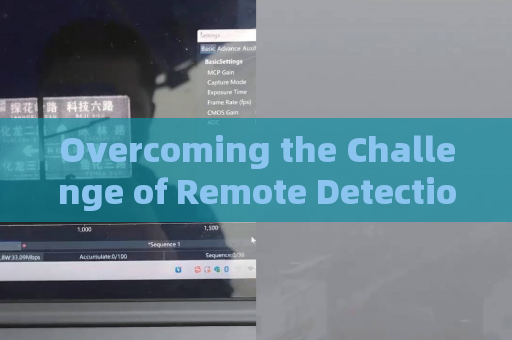
Further operational details highlight the system’s adaptability to extreme environmental conditions. When a fleeing vehicle passes through a tunnel or enters a smoke-tinged area near a roadside fire, the penetrating imager’s active illumination maintains image quality without relying on ambient light. The built-in range gating also compensates for the vehicle’s erratic motion—sudden braking or swerving—by rapidly adjusting the return pulse timing. Unlike thermal imagers that struggle to see through tinted glass or cameras that wash out in bright backlight, the penetrating imager remains effective across day, night, and adverse weather. For law enforcement units tasked with remote cargo inspection—such as detecting concealed persons or illegal goods in a van’s cargo bay—this single optical tool eliminates the guesswork, providing a decisive advantage in the field.