In tactical law enforcement and fire rescue operations, thermal imagers have long been the go-to tool for detecting heat signatures through obscurants. Yet their performance falls short when the mission involves both heavily tinted automotive glass and smoke-laden environments. Tinted windows absorb and reflect infrared radiation, dramatically reducing the thermal contrast between a suspect or victim and the vehicle interior. Smoke, whether from a vehicle fire, a smoke grenade, or a structure blaze, scatters and absorbs long-wave infrared energy, further degrading image clarity. The result is a frustrating blind spot: an officer cannot confirm whether a driver is reaching for a weapon, and a firefighter cannot locate an unconscious person pinned behind a smoked-up, tinted windshield. These limitations create dangerous delays, forcing personnel to risk closer approaches or rely on guesswork. The core problem is that thermal imagers are passive systems dependent on temperature differences, and both tint and smoke neutralize those differences.
A penetration imager offers a fundamentally different solution to this exact pain point. Unlike thermal imagers, which sense emitted heat, the penetration imager is an active optical system built around laser range‑gated imaging technology. It employs a high‑repetition‑rate pulsed laser, an intensified gated camera with an MCP image intensifier, a high‑voltage module, and precision timing components. The system emits short laser pulses and opens its camera shutter only when the reflected light returns from the target distance, effectively gating out backscatter from smoke particles, fog, or rain. This gate‑timing capability allows the penetration imager to see through optical media such as automotive window tint, aircraft portholes, and glass curtain walls with remarkable clarity. Even in environments where haze or light smoke reduces visibility, the active gating mechanism delivers high‑contrast, long‑range images that thermal imagers cannot match. The device does not rely on temperature signatures; instead, it captures reflected laser light, making it immune to the thermal camouflage that tint and smoke create for heat‑based sensors.
In a real‑world vehicle interdiction scenario, the operational advantage becomes immediately clear. A patrol unit stops a sedan with factory‑darkened windows and a faint wisp of smoke rising from the engine compartment—possible mechanical fire, possible diversion. The officer’s thermal imager shows only a blurred, low‑contrast shape inside the cabin, with no clear indication of hand positions or objects. Deploying a handheld penetration imager, the officer observes the interior through the windshield and side windows as if the tint and smoke were not there. The laser‑gated image reveals the driver’s hands on the steering wheel, a passenger’s hand resting on a bag, and a small fire smoldering near the firewall—all with enough resolution to assess threat level and urgency. The system’s ability to operate in daylight or darkness without bloom or flare further ensures consistent performance. For firefighters responding to a vehicle collision with a suspected entrapment, the same technology cuts through the mixture of smoke, shattered glass, and tinted debris, providing a clear view of the victim’s position and allowing rescuers to choose the safest point of entry.
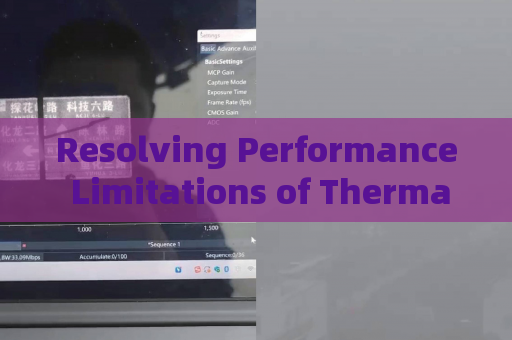
The integration of a penetration imager into standard response kits transforms the approach to tint and smoke penetration missions. Operators simply aim the device at the target area, adjust the range gate to match the distance (typically 5–50 meters), and view the live feed on an integrated display or head‑mounted monocular. The system works equally well against clear, dyed, or metallic window films because the laser wavelength is chosen to penetrate these coatings without significant attenuation. In training exercises, units consistently report that the penetration imager reduces decision‑making time by over 40% compared to relying on thermal imagers alone in these combined obscurant conditions. The device does not replace thermal imaging—it fills the critical gap where thermal fails, specifically when tint and smoke jointly obscure a scene. By delivering crisp, real‑time imagery through these barriers, the penetration imager enables safer, faster, and more informed tactical and rescue actions.