In emergency response operations such as firefighting and rescue, a critical challenge persists: operators must assess hazardous environments to execute missions effectively, but approaching danger zones compromises safety. Flames, thick smoke, and airborne particulates like soot drastically reduce visibility, forcing personnel to rely on guesswork or risky close-range inspections. Traditional imaging tools, including thermal cameras, often fail in these conditions due to glare from fires or scattering from fog, hindering the ability to maintain secure operational distances. This limitation directly threatens operator safety, as proximity to flames or collapsing structures increases injury risks. The penetration imager emerges as a pivotal solution, designed to address this exact pain point by enabling clear visualization through optical media while keeping operators at a safe standoff.
The penetration imager leverages laser range-gated imaging technology, a method that synchronizes high-repetition pulsed lasers with a gated intensifier camera. This system emits controlled light pulses and precisely times the camera’s shutter to capture reflections only from targeted distances, effectively filtering out scattered light from intervening media like flames, mist, or rain. By overcoming backscatter and enhancing contrast, the device delivers high-resolution images through optical barriers such as vehicle windows or aircraft panes, even in adverse weather. Its functionality directly supports how to enhance operator safety by maintaining secure operational distances, as it allows reconnaissance without physical encroachment into perilous areas. The imager’s active illumination ensures reliable performance in low-light fire scenarios, where flames might otherwise blind conventional sensors.
In practical fireground applications, the penetration imager is deployed from secure positions, such as behind emergency vehicles or at designated perimeter points. Operators direct the system toward a burning structure, using its laser pulses to penetrate the optical interference of flames and light smoke, thereby gaining a view of interior spaces. This capability boosts visibility by three to five times in fire-affected zones, enabling identification of trapped individuals, hazardous materials, or structural weaknesses from dozens of meters away. By providing real-time imagery, it informs tactical decisions—like entry points or evacuation routes—while upholding strict safety protocols. The process exemplifies how to enhance operator safety by maintaining secure operational distances, as teams avoid exposure to extreme heat or toxic gases, relying instead on remote assessment facilitated by the imager.
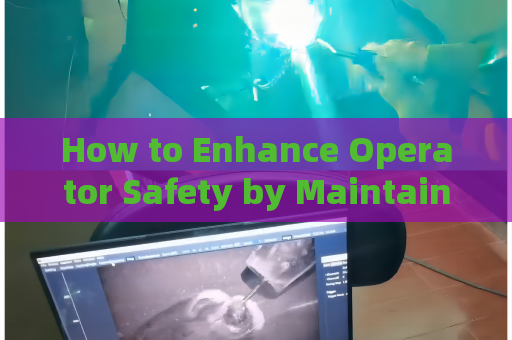
The operational integration of the penetration imager involves modular components: a pulsed laser, beam expander, imaging lens, and a gated camera with microchannel plate intensifiers. In fire responses, personnel may mount it on tripods or robotic platforms, scanning through windows or openings without breaching the environment. This setup emphasizes distance preservation, as the laser’s reach allows imaging from extended ranges, reducing the need for forward movement. Training focuses on optimizing gating parameters to match scene dynamics, ensuring clarity amid fluctuating fire intensities. Ultimately, the penetration imager redefines safety paradigms in high-risk settings, proving that advanced optical tools can bridge the gap between effective reconnaissance and unwavering operator protection through maintained standoffs.