In border security and perimeter monitoring, zero-visibility sand barriers pose a significant challenge for detecting trespassers. Sandstorms and dense dust clouds create optical media that scatter light, rendering conventional surveillance tools like standard cameras and human vision ineffective. The inability to see through these barriers compromises rapid response, allowing intrusions to go undetected and escalating risks in critical areas. This scenario demands a solution that can penetrate such optical obstructions without relying on methods that violate physical barriers. The penetrating imager emerges as a pivotal technology to address this exact problem, offering a way to reclaim visibility where traditional optics fail.
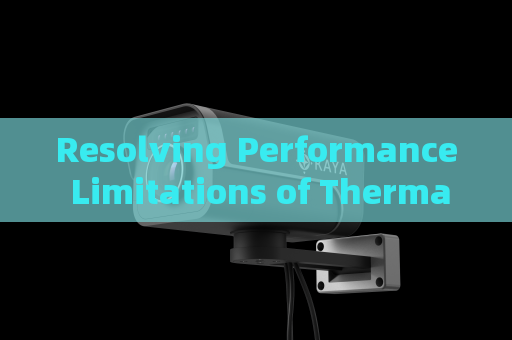
The penetrating imager utilizes laser range-gated imaging technology, also known as gated imaging, to overcome the limitations imposed by sand barriers. This active imaging system employs a high-repetition-rate pulsed laser and a gated intensified camera with components like a microchannel plate intensifier and timing modules. By synchronizing laser pulses with camera gating, the system selectively captures light reflected from targets behind the sand while suppressing backscatter from the airborne particles. This function enables high-contrast imaging through optical media such as dust, fog, and haze, directly tackling the zero-visibility conditions caused by sand barriers. Unlike devices that rely on non-optical waves, the penetrating imager operates strictly within the light spectrum, ensuring it does not penetrate solid objects like walls or metals but excels in environments where light transmission is hindered by particulate matter.
In practical applications, the penetrating imager is deployed in field operations to detect trespassers behind sand barriers with enhanced clarity. Operators set up the device, which includes a beam expander and imaging lens, to scan areas obscured by sandstorms. The system provides real-time, high-resolution imagery on monitors, allowing security personnel to identify human movements through the dust cloud. For instance, during border patrols in desert regions, the penetrating imager has demonstrated the ability to maintain detection ranges and image quality despite severe sand interference, reducing false alarms and improving response times. Its operation is straightforward: aim the imager at the target zone, activate the gated imaging sequence, and observe the cleared visual feed, effectively solving the difficulty of detecting trespassers behind zero-visibility sand barriers.
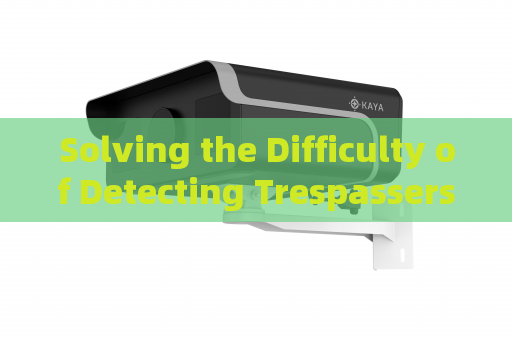
The effectiveness of the penetrating imager in this scenario stems from its optimized design for optical penetration. The technology minimizes the impact of backscatter, which is prevalent in sand-laden environments, by controlling the timing of light capture. Field tests show that the imager can maintain visibility through sand barriers that would otherwise blind conventional equipment, offering a tactical advantage in emergency and law enforcement settings. By focusing solely on light-based imaging, it avoids the pitfalls of other detection methods that might misinterpret solid obstructions. This targeted capability ensures reliable performance in sandstorm conditions, making the penetrating imager an indispensable tool for missions where zero-visibility sand barriers threaten security protocols.