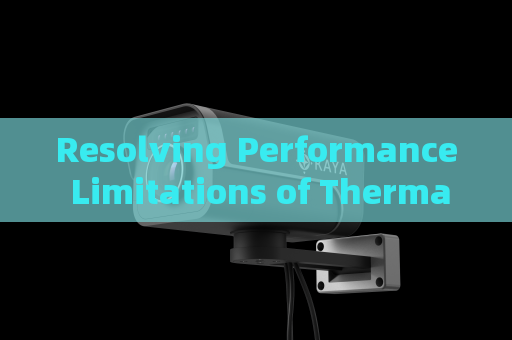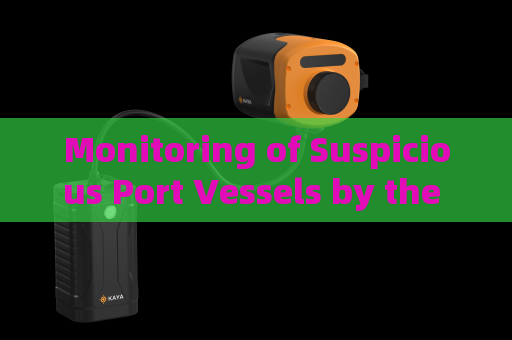
Monitoring of suspicious port vessels faces significant challenges under strong backlight overexposure conditions, where intense sunlight directly behind target vessels creates glare and washed-out images, compromising surveillance effectiveness. In port security operations, conventional imaging systems often fail to capture critical details such as vessel identifiers, cargo movements, or illicit activities when sunlight overwhelms the camera sensors, especially during dawn or dusk patrols. This environment leads to reduced visibility, increased false alarms, and hindered threat assessment, posing a direct risk to maritime safety and law enforcement efforts. The penetration imager emerges as a pivotal tool to address these optical limitations, offering enhanced imaging capabilities tailored for such high-contrast scenarios. The penetration imager leverages laser range-gated imaging technology to enable strong light suppression imaging, precisely mitigating backlight overexposure. This active imaging system combines a high-repetition-rate pulse laser, a gated camera with a microchannel plate intensifier, and optical components like beam expanders and imaging lenses. By emitting controlled laser pulses and synchronizing the camera’s gating mechanism, it selectively captures light reflected from target vessels while suppressing ambient strong light from the background. This process enhances contrast and resolution, allowing clear visualization through optical media such as glass windows or under conditions like fog or haze, without penetrating non-transparent solids. The imager’s ability to overcome backscatter and maintain performance in challenging light environments directly addresses the core issue of monitoring suspicious port vessels in strong backlight overexposure conditions. In practical application, the penetration imager is deployed at port perimeters or aboard patrol craft, where operators adjust parameters like laser pulse timing and gating thresholds to optimize imaging for real-time surveillance. Under strong backlight overexposure conditions, the system delivers high-definition footage of vessel hulls, deck activities, and registration marks, even when sunlight directly strikes the lens. This capability enhances situational awareness, enabling authorities to detect anomalies such as unauthorized boarding or concealed contraband with greater accuracy. The strong light suppression imaging function ensures consistent performance across varying weather, including light rain or mist, though it remains ineffective against dense smoke. Field reports indicate improved identification rates and reduced operational delays, reinforcing the imager’s role in proactive port security. Further detailing the scenario, the penetration imager’s integration with existing monitoring networks allows for automated alerts and data fusion, streamlining responses to suspicious port vessels. In strong backlight overexposure conditions, its light-based technology avoids interference with other sensors, such as radar, while providing complementary visual evidence. Regular calibration and maintenance focus on optical alignment to sustain imaging clarity, ensuring that the strong light suppression feature adapts to seasonal light changes. By overcoming glare and enhancing detail retrieval, the penetration imager proves indispensable for sustained maritime oversight, though its use is strictly confined to optical domains without extending to solid obstructions like walls or metal hulls.