In high-risk vehicular pursuits, law enforcement faces a critical intelligence gap: the inability to reliably identify occupants within a fleeing vehicle in real-time and from a safe standoff distance. Traditional optical systems fail under common adverse conditions. Tinted windows, glare, rain, fog, or vehicle dust obscure visual confirmation. This opacity transforms the fleeing vehicle into a blind spot, preventing assessment of occupant count, potential weapon threat, or driver behavior. The urgent need is for a technology that can see through these visual barriers remotely, providing clear actionable imagery to inform tactical decisions and enhance public safety during dynamic incidents. A specialized penetrating imager addresses this precise operational void.
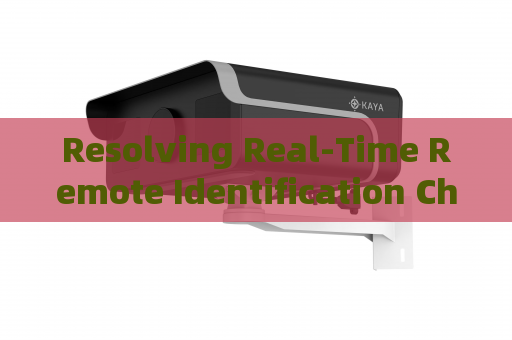
The core capability lies in its laser range-gated imaging technology. This active system projects high-frequency pulsed laser light toward the target vehicle. The synchronized gated camera opens its shutter only for the precise moment when the reflected light from the interior compartment returns, rejecting scattered light from the windshield or atmospheric particles. This process effectively "sees through" the primary optical media—the vehicle's windows—while simultaneously negating the degrading effects of intervening haze, light rain, or snow. It delivers high-contrast, high-resolution images of the cabin's interior, overcoming the backscatter that blinds conventional cameras and enabling remote facial or behavioral analysis of occupants through the glass.
Operationally, the penetrating imager can be deployed from a following patrol car, an aerial platform, or a fixed checkpoint. The system provides a real-time video feed or sequential high-definition stills to command units. Personnel can distinguish between a sole driver and multiple passengers, observe hands and potential weapons, or identify specific movements indicative of preparation for hostile action. This immediate visual intelligence allows for calibrated response escalation, safer containment strategies, and informed dialogue during negotiations. The ability to maintain a clear visual on occupant activity through the vehicle's optical barriers transforms a pursuit from a reactive chase into a managed operation with enhanced situational awareness.
The effectiveness extends across various environmental challenges typical in police engagements. Whether contending with the distorting shimmer of a hot roadway, the obscuration of a light snowfall, or even the radiant interference from a vehicle fire, the penetrating imager maintains visual penetration of the cabin. It is crucial to note that while the system significantly improves visibility through flames and common atmospheric obstructions, dense smoke inside or outside the vehicle remains a limitation. Nevertheless, by cutting through glare, precipitation, and the window itself, this specialized penetrating imager resolves the fundamental challenge of real-time remote identification, turning the vehicle's shell from an informational shield into a transparent asset for officer safety and mission resolution.