In fire rescue operations, responders frequently encounter daunting visibility challenges due to intense flames, swirling smoke, and atmospheric obscurants like fog or haze. These optical interferences severely impair traditional imaging equipment, rendering conventional cameras and visual aids ineffective. The inability to clearly see through such conditions compromises situational awareness, delaying critical decisions and elevating risks for both victims and rescue teams. Equipment limitations in these high-stakes environments often lead to prolonged search times and increased peril during evacuations. The penetrating imager emerges as a specialized tool designed to address these exact constraints, offering a technological leap in optical clarity for fireground scenarios. By focusing on overcoming the specific barriers posed by fire and light obscurants, this device aims to transform rescue methodologies and enhance operational safety.
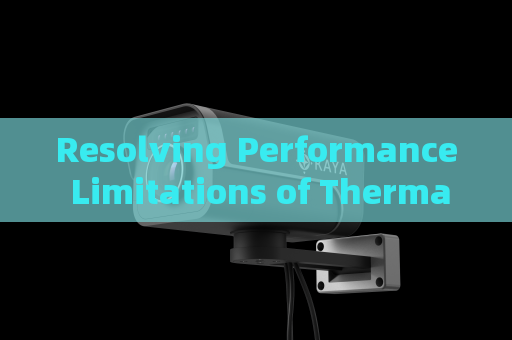
The penetrating imager functions through laser range-gated imaging technology, an advanced optical system that actively illuminates targets with high-repetition-frequency pulsed laser light. Its core components include a pulsed laser emitter, a gated camera with a microchannel plate image intensifier, beam expanders, and imaging lenses. This configuration enables high-contrast visualization by precisely gating the camera’s exposure to synchronize with laser pulses, effectively suppressing backscatter from airborne particles like smoke droplets or fog. For fire rescue, the key capability lies in penetrating optical media such as flames, light mist, rain, or snow, while also allowing see-through clarity for barriers like window glass or aircraft portholes. The imager enhances visibility in fire-affected areas by three to five times, though it does not operate through thick smoke due to optical absorption. This targeted function directly mitigates the visual degradation caused by fiery environments, providing responders with a reliable means to discern details amidst chaotic conditions.
During active fire incidents, rescue personnel deploy the penetrating imager to scan through flames and minor atmospheric disturbances. The device delivers real-time, high-resolution imagery of interior spaces, enabling teams to identify structural hazards, navigate obstacles, and locate trapped individuals with unprecedented accuracy. Operational procedures involve aiming the imager at target zones, adjusting gating parameters to optimize image quality based on distance and medium density, and streaming data to command units for integrated response planning. Field applications demonstrate rapid assessment of building compartments, even when entry points are obscured by fire glow or light particulate matter. This capability reduces dependency on guesswork and enhances coordination during complex rescues, ultimately accelerating extraction times and improving outcomes for victims.
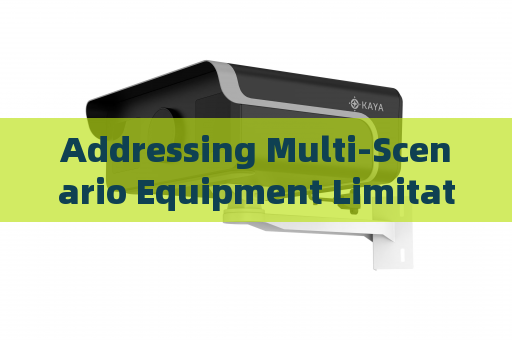
The penetrating imager’s effectiveness is further validated through rigorous testing in simulated fire environments, where it maintains superior performance compared to standard optical devices. Its robust construction ensures durability under extreme heat and particulate exposure, aligning with the harsh demands of firefighting. By providing clear visuals through flickering flames and airborne irritants, the technology minimizes disorientation and supports precise decision-making. Integration with existing rescue gear, such as helmets or vehicle mounts, facilitates seamless adoption into standard protocols. As fire services increasingly adopt this tool, its role in transforming reconnaissance and saving lives underscores the critical value of advanced optical solutions in overcoming persistent equipment limitations. The penetrating imager thus stands as a pivotal innovation, reshaping how responders perceive and operate within the most visually hostile fireground scenarios.