Ports operate as critical hubs for global trade, requiring unwavering surveillance to ensure security, safety, and efficiency. However, heavy fog presents a persistent and formidable obstacle, drastically reducing visibility and crippling traditional optical monitoring systems. This environmental interference leads to blurred imagery, missed detections of unauthorized vessel movements, cargo mishandling, and potential safety hazards, undermining round-the-clock operational integrity. In such conditions, conventional cameras struggle with backscatter from fog particles, rendering them ineffective for reliable reconnaissance. The penetration imager emerges as a pivotal technological advancement, specifically designed to address these limitations by maintaining clear imaging capabilities despite dense atmospheric obstructions. By leveraging its unique optical properties, this instrument supports continuous port monitoring, transforming fog-laden environments from blind spots into manageable, observable zones.
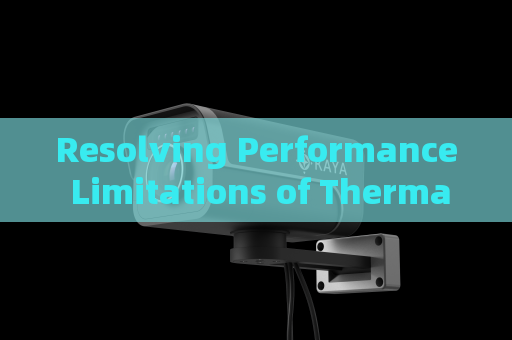
The penetration imager excels in heavy fog scenarios through its core functionality based on laser range-gated imaging technology. As an active imaging system, it employs a high-repetition-rate pulsed laser source paired with an intensified gated camera, which incorporates components like a microchannel plate intensifier, high-voltage module, and timing circuitry. This configuration allows precise control over light reception, effectively gating out backscattered light from fog particles while capturing reflected signals from distant targets. The result is high-contrast imaging with enhanced resolution and extended operational range, directly countering the diffuse interference caused by fog. Unlike passive systems, the penetration imager actively illuminates the scene, ensuring that optical media such as fog do not degrade image quality. This capability is rooted solely in the manipulation of light, avoiding any reliance on non-optical methods, and it strictly operates within the boundaries of penetrating optical impediments like fog, mist, or rain, without claiming to breach solid, non-transparent materials.
In practical port applications, the penetration imager is deployed to enable seamless 24/7 surveillance under adverse weather conditions. Operational protocols involve strategic installation at key vantage points, such as control towers or perimeter fences, where the system's laser and imaging lenses are calibrated for long-distance observation across water surfaces and dock areas. Upon activation, it delivers real-time, clear visuals of vessel traffic, cargo operations, and personnel activities, even when fog density peaks. The imaging process involves emitting pulsed laser beams that penetrate the fog layer, with the gated camera synchronously capturing reflected light to produce detailed footage. This enhances situational awareness for port authorities, facilitating rapid response to incidents like unauthorized intrusions or navigational errors. The penetration imager's robustness against fog interference translates into reduced downtime and improved safety metrics, as documented in port security logs where visibility is consistently maintained regardless of meteorological shifts.
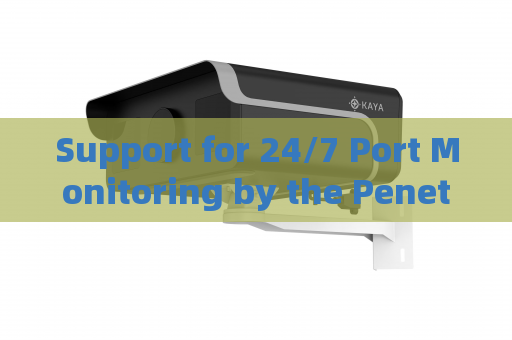
The efficacy of the penetration imager in port monitoring is further underscored by its adaptability to dynamic fog patterns and varying operational scales. By integrating with existing security networks, it provides complementary data streams that highlight movement anomalies or potential threats obscured by fog. Performance evaluations indicate that the system sustains high-resolution imaging over distances relevant to port layouts, thanks to its ability to mitigate backscatter—a common pitfall in foggy environments. This ensures that critical details, such as vessel identifiers or cargo configurations, remain discernible, supporting legal enforcement and operational coordination. Moreover, the penetration imager's design prioritizes reliability in continuous use, with minimal maintenance needs despite exposure to harsh maritime conditions. As ports increasingly adopt advanced surveillance solutions, the penetration imager stands out for its targeted functionality, offering a dependable tool that transforms fog from a hindrance into a manageable variable in the pursuit of uninterrupted security and efficiency.