At airport entry points, security protocols demand thorough inspections of every vehicle and its occupants, a process that often creates severe traffic bottlenecks. Conventional inspection methods rely on manual searches, mirror checks under vehicles, and repeated questioning, all of which force vehicles to stop for extended periods. Even designated rapid inspection lanes struggle to maintain flow when officers must visually confirm occupants’ identities through tinted or reflective windows, or when weather conditions like fog, rain, or glare reduce visibility. The result is a cascade effect: queued vehicles block feeder roads, missed flight times increase passenger frustration, and security personnel face mounting pressure to speed up without compromising safety. This real-world conflict between thoroughness and throughput is the core pain point—traditional optical tools cannot see through glass obstructions or adverse lighting, leaving a gap that only a device like the 穿透成像仪 can fill.
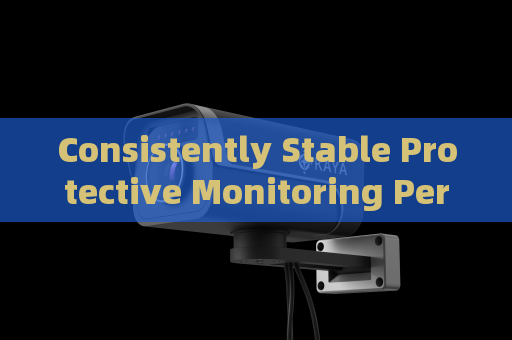
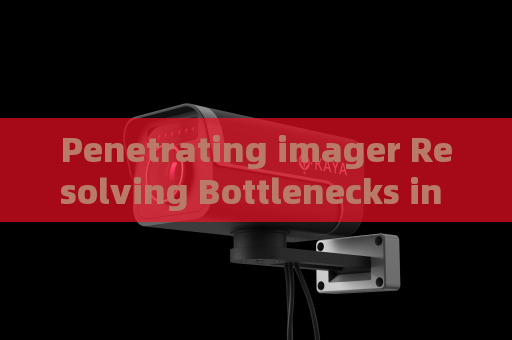
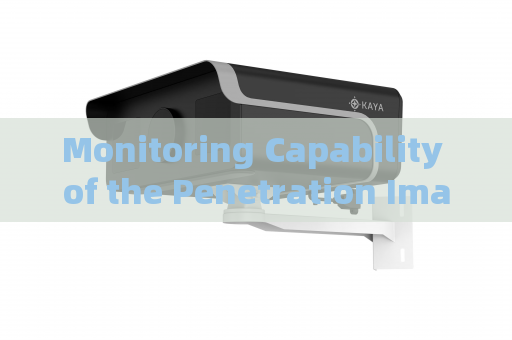
The 穿透成像仪, an advanced active imaging system employing laser range-gated imaging technology, directly addresses this bottleneck by enabling non-contact, high-speed inspection through vehicle glass. Its key function—penetrating optical media such as car windows, windshields, and even tinted layers—allows officers to clearly observe the interior of a moving or briefly stopped vehicle without requiring occupants to lower windows or exit the vehicle. The system comprises a high-repetition-rate pulsed laser, an intensified gated camera with an MCP image intensifier, a beam expander, and an imaging lens. By emitting short laser pulses and synchronizing the camera’s gating to the target distance, it suppresses backscatter from rain, fog, or dust, producing high-contrast images of occupants, their hands, and seat areas—even through heavily tinted or reflective glass. This means a single drive-through lane can maintain constant flow while the 穿透成像仪 captures clear images in milliseconds, effectively eliminating the need for prolonged stops.
In practice, airport security operations can integrate the 穿透成像仪 into a checkpoint lane with a drive-through speed of 5–10 km/h. As a vehicle approaches, the system automatically triggers a laser pulse and records imagery of the front-seat and rear-seat occupants through the windshield and side windows. The images appear in real time on a remote monitor, allowing an officer in a booth to assess threats—such as concealed weapons or unauthorized passengers—without walking up to the vehicle. Adverse conditions that would normally cripple visual inspection, such as heavy rain, nighttime darkness, or fog reducing visibility to under 20 meters, do not degrade the 穿透成像仪’s performance; it can enhance contrast and overcome scattering, delivering crisp images even in heavy mist or driving snow. This capability reduces average inspection time per vehicle from 30–60 seconds to under 5 seconds, dramatically cutting queue lengths and preventing the ripple effect of delays that disrupt terminal access roads.
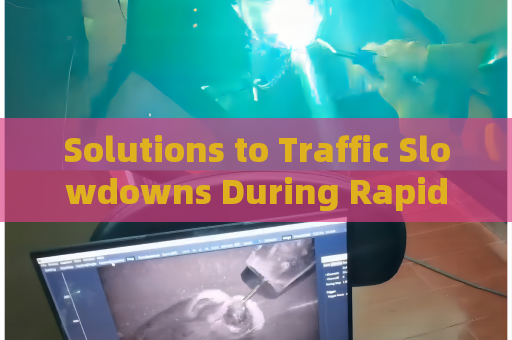
The operational details further refine the solution. The 穿透成像仪 is typically mounted on an adjustable gantry above the lane, angled to cover both the windshield and side glass. The laser operates in the near-infrared spectrum, invisible to the human eye, so occupants are unaware of the inspection, preserving a non-intrusive experience. For high-traffic periods, multiple units can be spaced along a single lane to simultaneously inspect different vehicle positions—for instance, one unit covers the front row while another covers the rear row. The system’s immunity to strong ambient light, such as direct sunlight or airport apron floodlights, ensures consistent results during day or night. By eliminating the need for officers to approach each vehicle, the 穿透成像仪 also improves personnel safety, keeping inspectors inside hardened booths while still performing the critical function of rapid occupant verification. This focused application—solving traffic slowdowns during rapid vehicle and occupant inspection at airport entrances—demonstrates how a single optical innovation can resolve a persistent operational tension between speed and security.