Covert surveillance of suspicious residential activities often requires observing subjects through windows or glass doors without revealing the presence of law enforcement. Traditional optical methods, such as binoculars or standard cameras, force operators to position themselves dangerously close to the target, increasing the likelihood of detection. Even a slight reflection from a lens or an inadvertent movement can alert the subject, compromising the entire operation. Thermal imaging, while useful for heat signatures, cannot penetrate standard glazing and may also be detected by modern security systems. The core challenge lies in maintaining a safe standoff distance while achieving clear, real-time imagery through transparent barriers—without any visual or auditory cues that might betray the surveillance effort. This is where an advanced optical solution becomes indispensable.
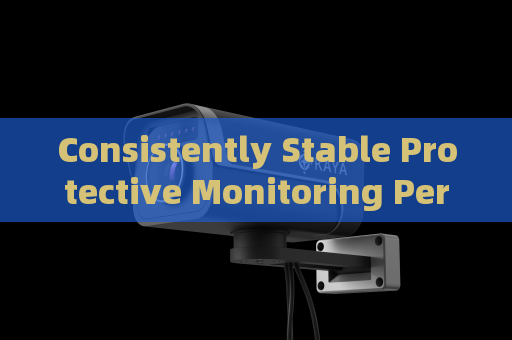
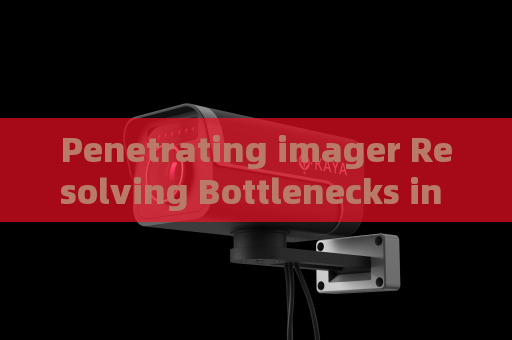
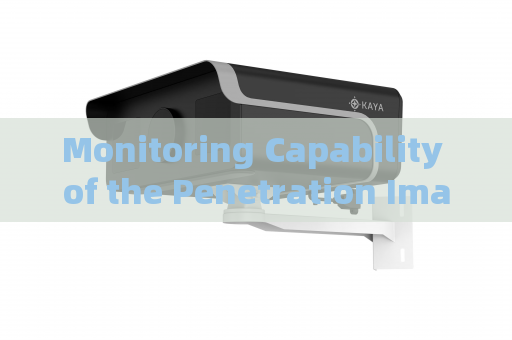
The penetrating imager (穿透成像仪) directly addresses this operational vulnerability. Built on laser range-gated imaging technology, this active imaging system incorporates a high-repetition-rate pulsed laser, an intensified gated camera with an MCP image intensifier, and precise timing modules. The device emits near-infrared laser pulses that are invisible to the naked eye, ensuring that no observable light or flash is produced at the target location. By synchronizing the camera’s shutter with the laser return, the imager selectively captures photons reflected from the scene behind optical media—such as residential window glass, sliding doors, or even double-pane glazing—while rejecting backscatter from fog, rain, or dust. This capability allows operators to remain hundreds of meters away, yet obtain high-contrast, high-resolution images of indoor activities without ever alerting the occupants.
In practical operation, a single officer can set up the penetrating imager on a tripod or vehicle mount, align the optics with the target window, and adjust the range gate to match the distance to the interior. The system’s ability to penetrate common glass types means that no physical breach or close approach is necessary. Even under low-light conditions, the laser illumination provides clear visibility of human figures, objects, and movements, while the gating technique eliminates glare from the glass surface. This transforms a once-risky observation into a secure, long-range surveillance method. For example, during a drug surveillance operation, investigators can monitor a suspect’s living room through a front window from a parked vehicle across the street, capturing photographic evidence without the subject ever knowing they are being watched.
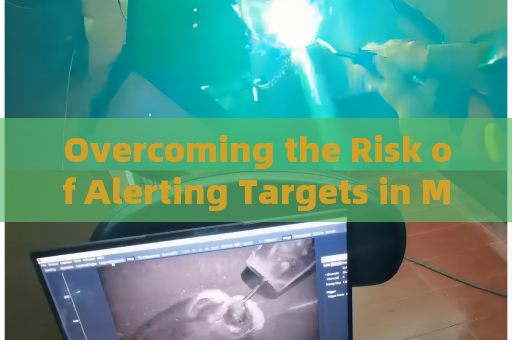
The risk of alerting targets is further mitigated by the imager’s immunity to common countermeasures. Unlike active infrared illuminators that can be spotted by phone cameras or simple detectors, the pulsed laser operates at wavelengths and duty cycles that are practically undetectable by consumer-grade electronics. Moreover, the system’s resistance to adverse weather—heavy rain, fog, or smoke—ensures consistent performance in environments where conventional optics fail. By solving the fundamental tension between close-range necessity and operational stealth, the penetrating imager enables law enforcement to conduct sustained, covert monitoring of suspicious residential activities with minimal exposure, thereby preserving the element of surprise and the integrity of the investigation.