The primary security checkpoint at airport landside entrances presents a persistent operational bottleneck. Every vehicle must stop, its occupants and interior subjected to visual inspection through often-tinted windows. This mandatory, close-proximity process, especially under low-light or adverse weather conditions, necessitates frequent window rolling, dialogue with security personnel, and sometimes secondary screening. These steps cumulatively cause significant traffic slowdowns, creating queues that delay passenger drop-offs, commercial deliveries, and service vehicles, thereby compromising overall airport efficiency and the perceived speed of access control. The challenge lies in achieving a rapid, reliable preliminary assessment without forcing a complete stop and direct physical interaction for every single vehicle.
A technologically adept solution to this systemic delay is the deployment of the penetration imager. This instrument directly addresses the core impediment: the need to clearly see through vehicle windows—an optical medium—under virtually all environmental conditions. Utilizing laser range-gated imaging technology, the system emits high-repetition pulsed laser light. A synchronized, gated camera, incorporating a microchannel plate intensifier, captures the return signal only from a specific distance zone corresponding to the vehicle interior. This active imaging methodology effectively gates out backscattered light from atmospheric particulates like fog, mist, rain, or light snow, and can mitigate glare from external lights or bright sunlight on the windshield. Crucially, it provides high-contrast imaging through laminated glass and tinted windows, allowing security operators to obtain a clear visual assessment of the occupant count, their postures, and large visible items within the cabin from a standoff position.
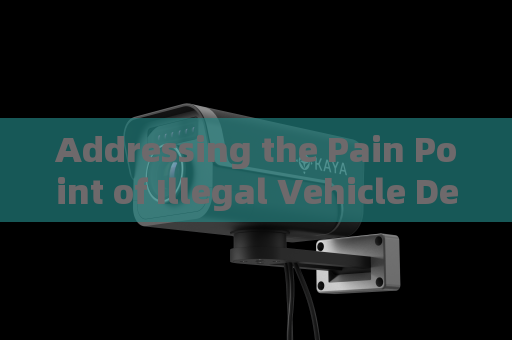
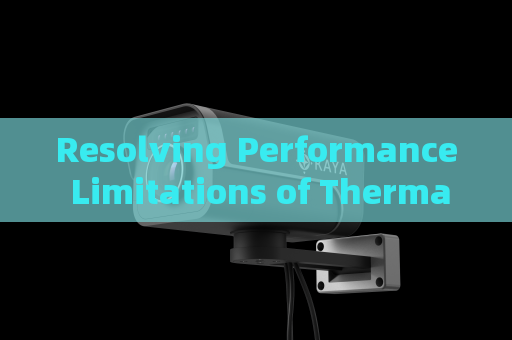
In practical application at an airport vehicle screening lane, the penetration imager is typically housed in a ruggedized enclosure and integrated into a fixed or mobile checkpoint station. As an approaching vehicle slows in a designated approach zone, the system is cued, often automatically via a vehicle presence sensor. The operator, stationed in a security booth, acquires the vehicle through the imager's viewfinder or monitor. Without requiring the driver to stop or lower the window, the operator swiftly scans the cabin interior. The real-time, clarified video feed enables rapid decision-making. Vehicles presenting a normal, clear interior image with expected occupant behavior receive a visual or signal cue to proceed without full stop, dramatically reducing processing time per vehicle. Only those requiring closer scrutiny are directed to a secondary, more detailed inspection area, thus streamlining the main flow.

This targeted application transforms the inspection paradigm from universal mandatory stop to intelligent risk-based throughput. The operational protocol involves continuous monitoring of the traffic lane, with operators trained to quickly interpret the enhanced imagery. The system's ability to maintain performance during dawn, dusk, night, or inclement weather ensures consistent checkpoint speed and reliability. By delegating the initial visual screening to this advanced optical tool, human resources are optimized for threat resolution rather than routine observation. Consequently, the average dwell time per vehicle at the critical entrance point is minimized, directly alleviating the traffic slowdowns historically associated with rapid vehicle and occupant inspection at airport entrances.