In low-light conditions, such as during nighttime operations, conducting surveillance through glass surfaces like vehicle windows or building panes presents significant challenges. Traditional night vision devices often struggle with reflections, glare, and backscatter from ambient light sources, which obscure targets behind glass. This issue is exacerbated in urban environments or during emergency responses, where quick and clear identification of occupants or objects inside vehicles or structures is critical. The inability to penetrate optical media effectively compromises situational awareness, leading to potential security risks or operational delays. Here, the penetration imager emerges as a specialized solution, designed to address these precise pain points by leveraging advanced optical principles.
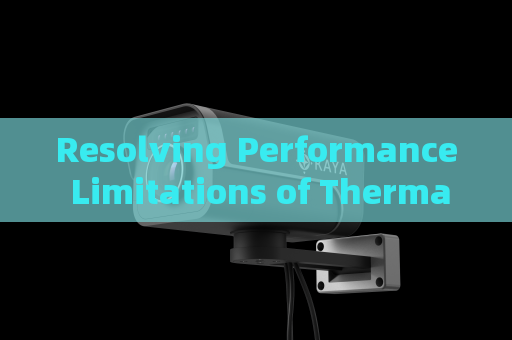
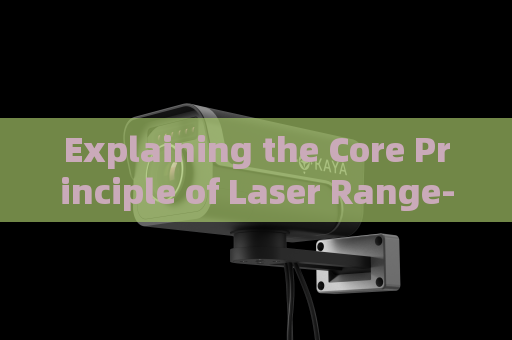
The penetration imager utilizes laser range-gated imaging technology to overcome the limitations of conventional night vision. This system operates by emitting high-repetition-frequency pulsed laser light towards the target area. The key component is a gated intensifier camera, which includes a microchannel plate intensifier, high-voltage modules, and timing circuits. The camera synchronizes its shutter to open only when the laser pulses reflect off the desired range, effectively filtering out unwanted backscatter from the glass surface or intervening media like fog or rain. By controlling the timing gate, the system captures light solely from the object behind the glass, ensuring high-contrast imaging. This core principle allows the penetration imager to maintain resolution and clarity while mitigating interference, making it ideal for night glass penetration scenarios.
In practical application, the penetration imager is deployed in fields such as law enforcement or military reconnaissance for covert surveillance through car windows or aircraft windows. Operators aim the device at the target glass surface, activating the laser and camera system. The timing module adjusts the gate delay based on the distance to the glass, ensuring that reflections from the glass itself are excluded, while light from the interior is amplified. This results in real-time, high-definition imagery of subjects behind the glass, even in complete darkness or through lightly tinted windows. The system's ability to function amidst environmental disturbances like haze or light precipitation enhances its reliability, providing a tactical advantage in dynamic operations.
Further detailing this scenario, the penetration imager excels in scenarios where rapid assessment is essential, such as hostage situations or border patrols. Its design prioritizes portability and ease of integration with existing command systems, allowing for seamless data transmission. Field tests demonstrate that the technology can improve visibility in fire-affected areas by three to five times, though it remains ineffective against dense smoke, adhering to its functional boundaries. By focusing solely on optical media penetration, the penetration imager ensures compliance with safety standards, avoiding any confusion with non-optical detection methods. This targeted approach reinforces its role as a critical tool for night glass penetration, delivering precise imaging without compromising ethical or technical constraints.