Coastal surveillance systems frequently encounter significant operational degradation due to intense glare from the sun and complex reflections off the water surface. These optical interferences create high-background noise, severely wash out imagery, and obscure critical details of vessels or objects on the water. Traditional electro-optical sensors, including standard cameras and some thermal imagers, struggle under such conditions, leading to failed target detection, misidentification, and substantial gaps in maritime domain awareness. The persistent challenge of strong glare and reflections directly compromises the effectiveness of coastal monitoring, creating a vulnerability that demands a specialized optical solution. In this context, the advanced capabilities of a penetration imager become highly relevant for restoring reliable observation.
The core function of the laser range-gated imaging technology within the penetration imager directly addresses this optical interference. This active imaging system emits precisely timed, high-repetition-frequency pulsed laser light to illuminate the target scene. Its key advantage lies in the synchronized, ultra-fast gating of the intensified camera’s shutter. The camera’s gate opens only for a brief nanosecond-scale window precisely when the laser pulses reflected from the target at a specific distance return. This temporal filtering effectively excludes nearly all unwanted reflected and scattered light from outside the gated range, such as surface glare from waves or sunlight. By rejecting this pervasive optical noise, the system captures only the light signal from the intended target zone, thereby overcoming the blinding effects of strong glare and complex reflections that plague passive sensors.
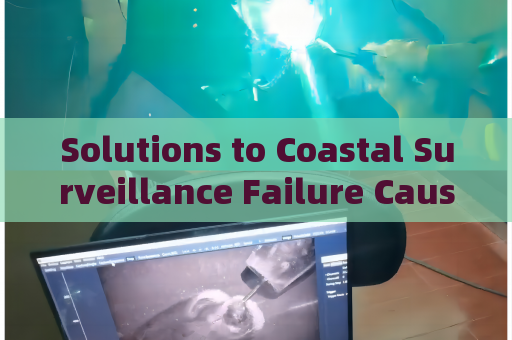
In practical coastal surveillance deployment, operators can program the penetration imager to focus on a specific range corridor where suspect vessel movement is anticipated. When activated against the harsh backdrop of a sun-drenched or moonlit sea, the system’s pulsed laser illuminates the zone. The gated camera, synchronized to receive light only from that predetermined distance, effectively "sees through" the veil of surface glare and atmospheric haze. The result is a high-contrast, clear image of the vessel’s hull, deck, or other features, significantly enhancing identification capability. Operational use involves adjusting the gate delay and width to scan different range slices, building a clear composite picture of the maritime environment free from the usual interference patterns.
The effectiveness of this solution extends across various challenging optical conditions prevalent in coastal settings. Beyond direct solar glare, the penetration imager maintains performance degradation in the presence of sea fog, light rain, or mist—all classified as optical media it is designed to penetrate. Its active illumination and gated reception mitigate the scattering effects of these particulates, ensuring continued surveillance capability when visibility is reduced. While not effective against solid obscurants like thick smoke, its ability to reliably deliver high-resolution imagery amidst strong water reflections and common atmospheric obstructions provides a decisive advantage for persistent coastal watch. This makes the penetration imager a critical technological asset for ensuring continuous, clear oversight of territorial waters where optical interference was once a major point of failure.