The inspection of vehicles with deeply tinted windows presents a persistent operational hurdle at security checkpoints. Traditional methods necessitate a complete stop, requiring officers to physically approach the vehicle and often instruct occupants to roll down windows for visual confirmation of the interior. This process significantly slows throughput, creates traffic congestion, and exposes personnel to potential ambush risks during the vulnerable approach phase. The core challenge lies in achieving reliable interior visualization without impeding the flow of traffic or compromising officer safety, demanding a solution that enables rapid, standoff screening. The quest for an effective technological answer directly addresses the non-stop inspection for tinted vehicles at checkpoints, aiming to transform a static, high-risk procedure into a dynamic, secure screening operation.
This specific challenge is met by the advanced capabilities of the penetration imager. As an active imaging system employing laser range-gated imaging technology, it is uniquely suited to this scenario. Its high-repetition-rate pulsed laser illuminates the target, while the gated camera, synchronized with precise nanosecond timing, captures only the light reflected from the target plane—the vehicle interior—while rejecting backscattered light from the windshield or window surface. This allows the system to penetrate the optical medium of tinted automotive glass, effectively seeing through the obstruction that blinds conventional cameras or the naked eye. Furthermore, the technology is inherently resistant to interference from common environmental optical media such as light fog, haze, or glare, ensuring consistent performance under varied conditions at outdoor checkpoints.
In practical application at a vehicle checkpoint, the penetration imager is deployed in a fixed or semi-fixed configuration alongside or above a designated inspection lane. As a vehicle approaches, the system actively illuminates it and acquires a high-contrast image of the cabin interior. This image, displaying occupant count, positioning, and potentially visible large objects or threats, is relayed in real-time to an operator stationed at a safe distance or within a secured booth. The operator can make an immediate assessment based on clear visual data. Only vehicles flagged with anomalies require secondary screening or a stop, while cleared vehicles proceed without interruption. This seamless integration enables a true non-stop inspection for tinted vehicles at checkpoints, dramatically increasing the volume of vehicles screened per hour while maintaining a robust security posture and a safer standoff distance for personnel.
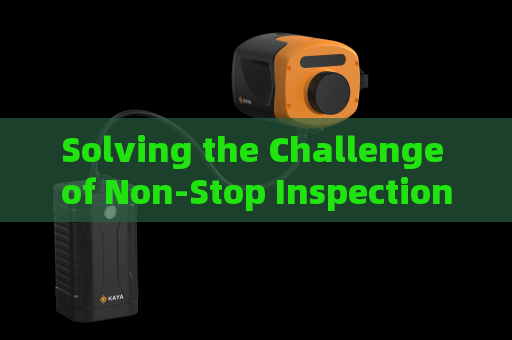
The operational efficacy extends to challenging lighting conditions, such as dawn, dusk, or nighttime operations, where the system's active illumination provides consistent image clarity unaffected by the darkness behind the tint. The ability to penetrate the optical barrier of the window and overcome ambient light limitations ensures 24/7 operational readiness. By transforming the tinted window from an opaque shield into a transparent interface for security assessment, this technology redefines checkpoint dynamics. It shifts the paradigm from reactive, contact-based checks to proactive, standoff surveillance, directly solving the challenge of non-stop inspection for tinted vehicles at checkpoints by delivering the crucial interior visibility needed for rapid, informed, and safe decision-making.