Tactical operators often face the dual challenge of zero-light conditions and intense glare sources—such as vehicle headlights, searchlights, or explosive flashes—that degrade conventional imaging systems. In these high-stakes environments, standard night vision devices suffer from blooming or complete saturation when exposed to sudden bright light, rendering the scene invisible for critical seconds. Moreover, the need to observe suspects or threats through vehicle windshields, aircraft canopies, or building glass façades adds another layer of difficulty. The core problem is a comprehensive performance limit: no single imaging modality reliably delivers clear, actionable imagery in the simultaneous presence of darkness, blinding glare, and optical barriers like tinted or reflective glass. This gap leaves law enforcement and military personnel vulnerable to ambushes, misidentification, and delayed decision-making during vehicle interdictions, perimeter surveillance, or counter-surveillance operations.
A penetrating imager—built on laser range-gated imaging technology—directly addresses these performance limits by combining active illumination with ultra-fast temporal gating. The system consists of a high-repetition-rate pulsed laser, an intensified gated camera with an MCP image intensifier, and precision timing modules. It emits short laser pulses and opens its camera shutter only for the brief time window corresponding to the target distance, effectively rejecting backscatter from fog, rain, or glare sources. This gate-controlled approach enables the penetrating imager to see through standard automotive glass, high-speed train windows, aircraft cabin windows, and curtain walls, even under extreme low-light conditions. Crucially, the gating mechanism also suppresses the blinding effect of high-glare sources: the camera is closed during the direct flash of a searchlight or explosion, and only captures the reflected laser signal from the target. The result is a high-contrast, clear image that maintains situational awareness when other systems fail.
In a tactical vehicle stop scenario, an officer can deploy the penetrating imager from a standoff distance of several hundred meters. The device’s ergonomic hand-held design allows rapid aiming through its integrated sight, and the operator need only press a single button to initiate laser range gating. Within seconds, the display reveals the interior of the target vehicle—including occupants’ hand positions, concealed objects, and movement patterns—through the windshield and side windows. Even when the suspect turns on high-beam headlights or shines a powerful flashlight toward the operator, the imager’s timed shutter remains unaffected, delivering a steady, bloom-free view. This capability transforms high-glare, zero-light encounters from guesswork into controlled, evidence-based decision-making, reducing the risk of unnecessary force and enhancing officer safety.
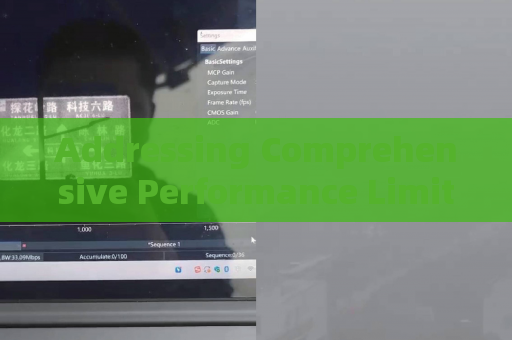
The same technology extends to tactical overwatch in urban environments where glass-faced buildings and reflective surfaces create complex optical challenges. During a hostage rescue or counter-sniper operation, the penetrating imager can peer through double-pane office windows and mirrored glass while ignoring the blinding reflections of streetlights or helicopter search beams. Its resistance to fog, rain, and light smoke—though not dense smoke—further ensures operational continuity in adverse weather. By addressing the comprehensive performance limits of zero-light imaging and high-glare tactical environments, the penetrating imager becomes an indispensable tool for any mission requiring transparent obstacle penetration under extreme illumination extremes.